
Google Ads is the strongest overall choice for most advertisers because it combines high-intent search traffic with YouTube, Display, Discover, Gmail, Maps, Shopping, and AI-powered campaign optimization. Meta Ads is usually the strongest alternative for visual consumer acquisition, while Amazon Ads is particularly powerful for ecommerce brands selling products on Amazon.
For affiliate and performance marketing, the strongest choices include impact.com, CJ, Awin, Partnerize, Rakuten Advertising, PartnerStack, FlexOffers, Admitad, Refersion, and Everflow.
The important distinction is that these two groups do different jobs:
- Paid advertising platforms help you buy traffic and conversions.
- Affiliate networks help you recruit partners who promote your products in exchange for performance-based commissions.
- Affiliate tracking platforms such as Everflow and Refersion help brands run and measure their own partner programs, but they should not automatically be treated as traditional affiliate networks.
There is no single “best” network for every advertiser. The right choice depends on your product, audience, funnel, geography, acquisition economics, tracking infrastructure, creative assets, and willingness to pay before or after a conversion.
Introduction
Choosing an advertising network in 2026 is considerably more complicated than choosing between “Google” and “Facebook.”
Advertisers now operate across search, social, retail media, native advertising, creator partnerships, affiliate marketing, mobile apps, B2B platforms, and increasingly AI-mediated discovery.
At the same time, the word “ad network” is being used to describe several different technologies.
A Google Ads campaign is not the same thing as an affiliate program on CJ. A native advertising campaign on Teads is not the same as a partner program on impact.com. And an affiliate tracking platform such as Everflow is not identical to an affiliate marketplace.
That distinction matters because the economics are completely different.
With a traditional paid advertising platform, you generally pay for exposure, clicks, views, impressions, or optimized conversions.
With affiliate marketing, you generally pay a partner after an agreed performance event such as a sale, lead, install, or subscription.
That difference changes:
- cash-flow requirements,
- attribution,
- risk,
- scalability,
- partner management,
- tracking,
- commission structures,
- fraud exposure,
- creative strategy,
- and ultimately your return on ad spend.
This guide therefore takes a broader view.
We reviewed 20 major advertising, affiliate, native, and performance marketing platforms and evaluated them according to advertiser usefulness, reach, targeting, performance potential, tracking, partner ecosystem, payment infrastructure, scalability, approval requirements, transparency, and suitability for different business models.
The result is not simply a list of companies.
It is a framework for deciding where your next advertising dollar—or performance-marketing dollar—should go.
What Is an Ad Network?
An ad network is a technology or marketplace that connects advertisers with audiences or publishers and facilitates the buying, delivery, tracking, or optimization of advertising inventory.
Traditional ad networks primarily connected publishers with advertisers.
Modern advertising ecosystems are broader. They can include:
- search advertising,
- social advertising,
- native advertising,
- retail media,
- display advertising,
- video advertising,
- affiliate marketing,
- influencer marketing,
- mobile advertising,
- programmatic advertising,
- and performance partnerships.
The term therefore covers several overlapping business models.
Traditional advertising model
A simplified paid advertising transaction looks like this:
Advertiser → Ad Platform/Network → Publisher or Media Property → User
The advertiser pays based on an agreed pricing model such as:
- CPC — cost per click
- CPM — cost per thousand impressions
- CPV — cost per view
- CPA — cost per acquisition
- CPL — cost per lead
Affiliate model
Affiliate marketing works differently:
Advertiser → Affiliate Network/Platform → Publisher/Partner → Customer → Conversion
The advertiser establishes an offer and commission.
The affiliate sends traffic.
The network or platform tracks the transaction.
The affiliate receives compensation when the agreed conversion occurs.
This performance-based structure is one reason affiliate networks can be attractive to advertisers who want to shift some acquisition risk toward the partner channel. Awin explains that affiliate networks commonly manage tracking, relationships, reporting, and payments while advertisers compensate publishers according to agreed performance terms.
Ad Network vs Advertising Platform vs Affiliate Network
These terms are often used interchangeably, but they are not identical.
| Type | Primary Function | Advertiser Pays For | Typical Examples |
|---|---|---|---|
| Search advertising platform | Buy search intent | Click/conversion/impression | Google Ads, Microsoft Advertising |
| Social advertising platform | Buy social audience | Impression/click/conversion | Meta, TikTok, Reddit |
| Retail media platform | Reach shoppers | Click/impression/sales | Amazon Ads |
| Native advertising network | Distribute content/native ads | Click/impression/conversion | Taboola, Teads, MGID |
| Affiliate network | Recruit/manage affiliates | Sale/lead/action | CJ, Awin, Rakuten |
| Partnership platform | Manage broader partner ecosystem | Performance outcome/platform fees | impact.com, Partnerize |
| Affiliate tracking platform | Track your own partners | Platform/software fees + partner commissions | Everflow, Refersion |
| B2B partner network | Recruit SaaS partners | Referral/deal/revenue share | PartnerStack |
Why this distinction matters
Suppose you sell $100 software.
You could:
- Spend $20 acquiring a visitor through Google Ads.
- Pay Meta for impressions and optimize toward a purchase.
- Pay an affiliate $20 after they generate a sale.
- Use PartnerStack to manage a SaaS partner who receives recurring commissions.
- Use Everflow to track a custom performance network.
All five can be part of the same acquisition strategy, but they are not the same advertising channel.
How We Ranked These 20 Networks
The rankings in this article are editorial ratings, not claims that one platform will generate a specific ROI for every advertiser.
We evaluated seven major dimensions:
1. Reach
How much relevant inventory or partner opportunity the platform can potentially provide.
2. Audience quality
Whether the platform gives advertisers meaningful intent, demographic, contextual, behavioral, professional, shopping, or partner-based signals.
3. Targeting
The ability to control geography, audience, keywords, interests, communities, products, placements, devices, or customer segments.
4. Performance potential
How well the platform can support measurable acquisition rather than merely impressions.
5. Tracking and attribution
The quality of conversion tracking, reporting, APIs, first-party data, attribution, and partner-level measurement.
6. Scalability
Whether a successful campaign can grow without becoming operationally unmanageable.
7. Strategic fit
How well the platform serves specific businesses rather than simply how large the platform is.
The 20 Best Ad Networks for Advertisers in 2026
At a Glance
| Rank | Platform | Type | Best For | Editorial Rating |
| 1 | Google Ads | Paid advertising | Search + full-funnel acquisition | 9.6/10 |
| 2 | Meta Ads | Paid social | Ecommerce, consumer brands, creators | 9.4/10 |
| 3 | impact.com | Partnership platform | Affiliate + creator + partner programs | 9.3/10 |
| 4 | CJ | Affiliate network | Enterprise affiliate marketing | 9.2/10 |
| 5 | Awin | Affiliate network | Global affiliate programs | 9.1/10 |
| 6 | Amazon Ads | Retail media | Ecommerce and product advertising | 9.0/10 |
| 7 | Microsoft Advertising | Search advertising | Search diversification + B2B | 8.9/10 |
| 8 | TikTok Ads | Paid social | Discovery, ecommerce, younger audiences | 8.8/10 |
| 9 | Partnerize | Partnership platform | Enterprise global partnerships | 8.8/10 |
| 10 | Rakuten Advertising | Affiliate/media network | Enterprise retail and global brands | 8.7/10 |
| 11 | LinkedIn Ads | B2B advertising | SaaS, enterprise, professional services | 8.6/10 |
| 12 | PartnerStack | B2B partner network | SaaS affiliate/referral programs | 8.6/10 |
| 13 | Teads | Native/open-web advertising | Premium publishers + full-funnel campaigns | 8.4/10 |
| 14 | Taboola | Native advertising | Open-web discovery and native traffic | 8.3/10 |
| 15 | FlexOffers | Affiliate network | Broad ecommerce affiliate programs | 8.2/10 |
| 16 | MGID | Native advertising | Global native campaigns | 8.1/10 |
| 17 | Admitad | Affiliate network | Global CPA and ecommerce partnerships | 8.0/10 |
| 18 | Reddit Ads | Paid social/community | Niche audiences and intent-rich communities | 7.9/10 |
| 19 | Refersion | Affiliate platform | DTC ecommerce affiliate programs | 7.9/10 |
| 20 | Everflow | Performance marketing platform | Custom affiliate and partner tracking | 7.8/10 |
1. Google Ads
Best overall advertising platform for advertisers in 2026.

Google Ads remains difficult to beat because it can connect advertisers with users across multiple stages of the buying journey—from explicit search intent to YouTube discovery and display remarketing.
Google’s Performance Max campaigns can distribute ads across Search, YouTube, Discover, Gmail, Maps, and the Google Display Network, making the platform considerably broader than traditional keyword advertising.
Overall Rating: 9.6/10
Company Overview
Google Ads is Google’s primary advertising platform and supports search, shopping, video, display, app, and automated cross-channel campaigns.
- Founded: Google, 1998; Google Ads launched in 2000
- Headquarters: Mountain View, California, United States
- Best For: Search intent, ecommerce, lead generation, SaaS, local businesses, YouTube campaigns
- Commission Types: N/A
- Cookie Duration: N/A as an affiliate network
- Minimum Payout: N/A
- Payment Methods: Card, bank and other account-dependent billing options
- Payment Frequency: Advertiser billing varies by account
- Approval: Account/business and ad-policy review
- Supported Countries: Global, subject to product and policy availability
Key Features
- Search advertising
- Shopping campaigns
- Performance Max
- YouTube advertising
- Display Network
- Remarketing
- Conversion tracking
- Automated bidding
- Audience targeting
- Merchant Center integration
- App campaigns
Pros
- Exceptional search intent
- Massive global reach
- Strong ecommerce ecosystem
- Excellent measurement infrastructure
- Multiple campaign types
- Strong integration with Google properties
- Suitable for both small and enterprise advertisers
Cons
- Competitive keywords can become expensive
- Automation can obscure some tactical controls
- Poor conversion tracking can produce poor optimization
- Requires careful account structure and measurement
Why Choose It?
Choose Google Ads when your customers actively search for the problem, product, service, or category you sell.
It is especially strong when you can calculate a reliable:
Maximum CPA = Customer Value × Acceptable Acquisition Percentage
For example, if a customer is worth $500 in gross contribution and you can spend 25% of that contribution on acquisition, your target acquisition ceiling is $125.
Who Should Avoid It?
Avoid relying exclusively on Google Ads if:
- your market has virtually no search demand,
- your product requires extensive education,
- your landing page is weak,
- or your economics cannot support competitive acquisition costs.
Expert Review
Google Ads earns the #1 position because it offers the strongest combination of intent, reach, measurement, and scalability.
The strategic mistake is treating Google as merely a keyword-buying tool. In 2026, its value increasingly comes from its broader automated ecosystem.
Final Rating: 9.6/10
2. Meta Ads
Best paid social advertising platform for many ecommerce and consumer brands.

Meta’s advertising ecosystem covers Facebook, Instagram, Messenger, Reels, and the Meta Audience Network. Advantage+ placements can automatically distribute campaigns across these surfaces.
Overall Rating: 9.4/10
Company Overview
- Founded: 2004
- Headquarters: Menlo Park, California, United States
- Best For: Ecommerce, DTC, consumer products, creators, apps, visual products
- Commission Types: N/A
- Cookie Duration: N/A
- Minimum Payout: N/A
- Payment Methods: Account-dependent billing
- Payment Frequency: Automatic/manual billing depending on account
- Approval: Business and ad review
- Supported Countries: Broad global availability subject to policy
Key Features
- Facebook advertising
- Instagram advertising
- Reels
- Stories
- Advantage+ campaigns
- Audience targeting
- Custom audiences
- Lookalike-style audience solutions
- Conversion campaigns
- Catalog advertising
- Retargeting
Meta describes its audience system as combining advertiser-defined audience parameters with machine-learning optimization.
Pros
- Massive consumer reach
- Excellent visual creative environment
- Strong ecommerce capabilities
- Sophisticated audience signals
- Excellent retargeting potential
- Strong automated optimization
Cons
- Creative fatigue can develop quickly
- Attribution can differ from analytics platforms
- Performance varies heavily by creative quality
- Some businesses struggle without strong visual assets
Why Choose It?
Choose Meta when your product can be demonstrated, explained, entertained, compared, or emotionally positioned through creative.
Who Should Avoid It?
Businesses with highly specific high-intent demand may find Google Search more efficient for bottom-funnel acquisition.
Expert Review
Meta’s biggest advantage is not simply its audience size.
It is the combination of creative scale + behavioral signals + automated delivery.
The winning strategy in 2026 is usually not to micro-manage every user segment. It is to provide strong creative variations, clean conversion signals, and sufficient budget for the system to learn.
Final Rating: 9.4/10
3. impact.com
Best overall partnership platform for advertisers running sophisticated affiliate, creator, commerce, and performance partnerships.

impact.com positions itself as a partnership management platform rather than a simple affiliate network. Its marketplace connects brands and partners across multiple partnership types, while its platform provides tracking, contracting, reporting, and payments.
Overall Rating: 9.3/10
Company Overview
- Founded: 2008
- Headquarters: Santa Barbara, California, United States
- Best For: Enterprise affiliate programs, creators, influencers, commerce partnerships
- Commission Types: CPA, CPL, CPS, revenue share, custom performance terms
- Cookie Duration: Advertiser/program-specific
- Minimum Payout: Depends on program/payment arrangement
- Payment Methods: Direct transfer, BACS, PayPal and other supported methods for partners
- Payment Frequency: Program/account dependent
- Approval: Brand and partner approvals vary
- Supported Countries: Global
Key Features
- Affiliate management
- Partner marketplace
- Creator partnerships
- Commerce content
- Tracking
- Reporting
- Automated payments
- Partner discovery
- Fraud and compliance controls
- API integrations
Pros
- Broad partner ecosystem
- Strong enterprise capabilities
- Supports more than traditional affiliates
- Excellent reporting
- Strong global infrastructure
- Flexible partnership models
Cons
- Can be more complex than simple affiliate software
- Enterprise features may exceed the needs of small businesses
- Program success still depends on partner recruitment
Why Choose It?
Choose impact.com if you want affiliate marketing to become a serious acquisition channel rather than a collection of isolated affiliate links.
Who Should Avoid It?
A small merchant with only a handful of affiliates may prefer simpler software.
Expert Review
The major strategic advantage of impact.com is that it treats partnerships as an operating system for acquisition, rather than merely a source of tracking links.
That makes it particularly valuable for brands combining affiliates, creators, content publishers, loyalty partners, and commerce partnerships.
Final Rating: 9.3/10
4. CJ
Best established affiliate network for enterprise advertisers that want broad publisher access and mature performance-marketing infrastructure.
CJ, formerly Commission Junction, was founded in Santa Barbara in 1998 and is now part of Publicis Groupe. CJ says its ecosystem includes more than 3,800 global brands and over 167,000 publishers and brands.
Overall Rating: 9.2/10
Company Overview
- Founded: 1998
- Headquarters: United States; founded in Santa Barbara, California
- Best For: Enterprise affiliate programs, retail, travel, finance, services
- Commission Types: CPS, CPL, CPA and program-specific structures
- Cookie Duration: Advertiser-specific
- Minimum Payout: Publisher/program dependent
- Payment Methods: Network-supported publisher payment methods
- Payment Frequency: Program/network terms
- Approval: Advertiser application and publisher/program approval
- Supported Countries: Global
Key Features
- Affiliate tracking
- Publisher marketplace
- Deep linking
- Product feeds
- Reporting
- Fraud/compliance monitoring
- Enterprise account support
CJ emphasizes publisher compliance and validates publishers before their first payment as part of its network-quality controls.
Pros
- Long industry history
- Strong enterprise reputation
- Large advertiser ecosystem
- Mature tracking
- Strong vertical coverage
Cons
- Can feel enterprise-oriented
- Program approval varies by advertiser
- New brands may need strong positioning to attract publishers
Expert Review
CJ is particularly attractive when credibility and established publisher relationships matter more than having the simplest interface.
Final Rating: 9.2/10
5. Awin
Best global affiliate network for brands that want international publisher reach and mature affiliate infrastructure.
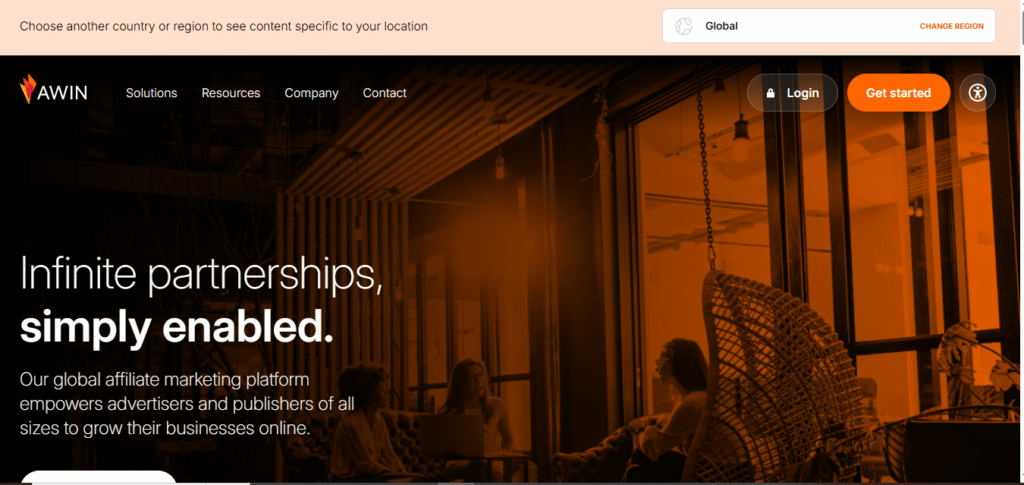
Awin has operated since 2000 and reports more than 1 million publishers and 30,000 advertisers globally.
Overall Rating: 9.1/10
Company Overview
- Founded: 2000
- Headquarters: Berlin, Germany
- Best For: Global ecommerce, retail, travel, finance, content affiliates
- Commission Types: CPS, CPL, CPA and custom structures
- Cookie Duration: Program-specific
- Minimum Payout: Publisher terms vary
- Payment Methods: Network-supported methods
- Payment Frequency: Network/program dependent
- Approval: Advertiser application plus publisher approvals
- Supported Countries: Global
Awin explains that the network handles tracking, payments, relationships, reporting, and other operational elements of affiliate programs.
Pros
- Global publisher ecosystem
- Strong European presence
- Mature technology
- Strong advertiser support
- Broad vertical coverage
Cons
- Program terms vary considerably
- Enterprise programs may require management resources
- Network fees add to commission economics
Expert Review
Awin is one of the strongest choices for advertisers that do not want their affiliate strategy restricted to one country.
Final Rating: 9.1/10
6. Amazon Ads
Best advertising network for brands selling products where Amazon shopping intent matters.

Amazon Sponsored Products are CPC ads that promote individual product listings and can appear within Amazon and selected external properties.
Overall Rating: 9.0/10
Company Overview
- Founded: Amazon, 1994
- Headquarters: Seattle, Washington, United States
- Best For: Ecommerce, product brands, Amazon sellers
- Commission Types: N/A
- Cookie Duration: N/A as advertising platform
- Minimum Payout: N/A
- Payment Methods: Advertiser account billing
- Payment Frequency: Account dependent
- Approval: Seller/product/ad eligibility review
- Supported Countries: Multiple Amazon marketplaces
Key Features
- Sponsored Products
- Sponsored Brands
- Sponsored Display
- Product targeting
- Keyword targeting
- Shopping intent
- Retail measurement
- Amazon audience data
Amazon states that Sponsored Products have no monthly or upfront advertising fee; advertisers bid on clicks.
Pros
- Extremely strong purchase intent
- Direct ecommerce environment
- Product-level advertising
- Excellent marketplace data
- Strong measurement
Cons
- Primarily useful to product sellers
- Competition can be intense
- Amazon ecosystem dependence
- Less useful for non-commerce businesses
Expert Review
Amazon is one of the few advertising environments where the advertising context and purchasing context can exist in the same ecosystem.
That makes it exceptionally powerful for product discovery and sales.
Final Rating: 9.0/10
7. Microsoft Advertising
Best search-advertising diversification channel after Google.
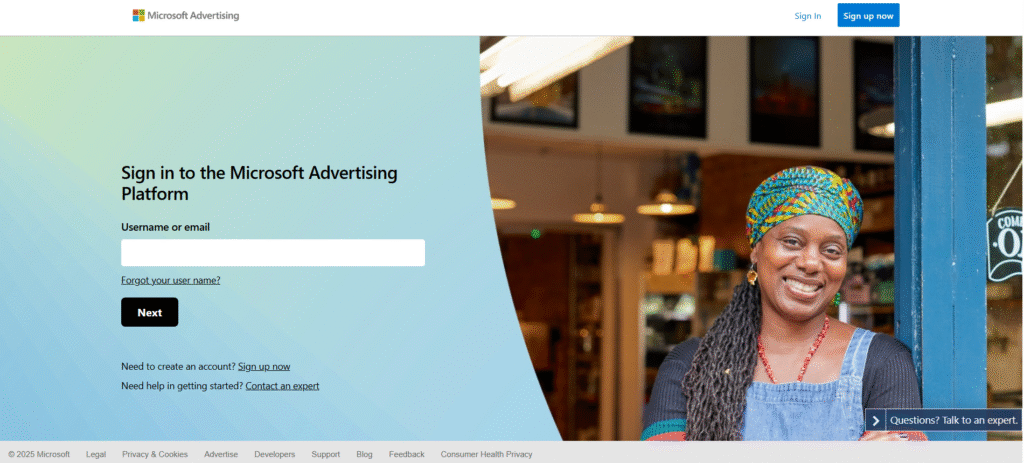
Microsoft Search Ads can appear on Bing and partner properties including Yahoo, AOL, DuckDuckGo, Ecosia, and others.
Overall Rating: 8.9/10
Company Overview
- Founded: Microsoft Advertising’s modern platform evolved from adCenter, launched in 2006
- Headquarters: Redmond, Washington, United States
- Best For: Search advertisers, B2B, older/high-value audiences, incremental reach
- Commission Types: N/A
- Cookie Duration: N/A
- Minimum Payout: N/A
- Payment Methods: Account-dependent
- Payment Frequency: Billing-account dependent
- Approval: Account/ad review
- Supported Countries: Global, subject to product availability
Pros
- Easy Google campaign importing
- Search intent
- Additional search inventory
- Strong B2B potential
- Useful diversification
Cons
- Smaller reach than Google
- Less data volume in some markets
- Some campaigns require lower-volume testing
Expert Review
Microsoft Advertising should not be viewed as “Google Ads Lite.”
Its strategic value is incremental reach.
For an advertiser already profitable on Google, Microsoft can provide additional conversions without forcing the entire acquisition strategy into a new channel.
Final Rating: 8.9/10
8. TikTok Ads
Best for discovery-driven acquisition where creative can generate demand rather than simply capture existing demand.

TikTok Ads Manager supports full-funnel objectives, creative tools, performance optimization, and global advertising. TikTok states that more than a billion people use the platform daily.
Overall Rating: 8.8/10
Company Overview
- Founded: TikTok launched internationally in 2017–2018; ByteDance founded 2012
- Headquarters: Global operations across multiple locations
- Best For: Ecommerce, entertainment, apps, creators, consumer products
- Commission Types: N/A
- Cookie Duration: N/A
- Minimum Payout: N/A
- Payment Methods: Account-dependent
- Payment Frequency: Billing dependent
- Approval: Business and ad review
- Supported Countries: Broad global availability
Pros
- Excellent creative discovery
- Strong short-form video environment
- Ecommerce capabilities
- Large global audience
- Full-funnel objectives
Cons
- Creative production is demanding
- Performance can decline quickly when creative becomes stale
- Not ideal for every B2B product
- Requires platform-native content
Expert Review
TikTok works best when the advertiser understands a crucial principle:
You are not simply buying attention. You are buying the opportunity to become interesting.
A conventional display ad adapted to TikTok often performs worse than content created specifically for the platform.
Final Rating: 8.8/10
9. Partnerize
Best enterprise partnership platform for large global brands that need affiliate, influencer, content, loyalty, and broader partner management.
Partnerize reports more than 1,800 clients, over 750,000 partners and more than 250,000 influencers.
Overall Rating: 8.8/10
Company Overview
- Founded: Roots in Performance Horizon; Partnerize brand launched in 2018
- Headquarters: New York operations with UK roots
- Best For: Enterprise partnerships, affiliate programs, influencers, global commerce
- Commission Types: CPA, CPS, revenue share, custom models
- Cookie Duration: Program-specific
- Minimum Payout: Partner/program dependent
- Payment Methods: Global partner payment infrastructure
- Payment Frequency: Partnerize states payments can be issued every other business day after authorization.
- Approval: Program/partner approval
- Supported Countries: 214+ countries and territories
Pros
- Global scale
- Strong enterprise technology
- Partner discovery
- Advanced reporting
- Payment infrastructure
- AI-driven partnership features
Cons
- Better suited to serious programs
- Complexity can be excessive for small brands
- Pricing is typically customized
Expert Review
Partnerize is particularly interesting in 2026 because it is moving beyond conventional last-click affiliate tracking toward measuring influence in AI-mediated and zero-click journeys.
That makes it one of the more strategically forward-looking platforms in this category.
Final Rating: 8.8/10
10. Rakuten Advertising
Best for established brands that want affiliate marketing combined with media, consumer intelligence, and global partner relationships.

Rakuten Advertising operates across affiliate marketing, influencer marketing, and media, combining partner relationships with Rakuten-owned properties.
Overall Rating: 8.7/10
Company Overview
- Founded: Rakuten, 1997
- Headquarters: Tokyo, Japan; Rakuten Advertising has major international operations
- Best For: Enterprise retail, ecommerce, global advertisers
- Commission Types: CPA/CPS and advertiser-specific structures
- Cookie Duration: Program-specific
- Minimum Payout: Publisher/program dependent
- Payment Methods: Varies by market and agreement
- Payment Frequency: Program/network dependent
- Approval: Advertiser and publisher approval
- Supported Countries: Global
Pros
- Strong brand ecosystem
- International reach
- Retail expertise
- Affiliate + media capabilities
- Enterprise support
Cons
- Best suited to established advertisers
- Program terms vary
- Can require more operational involvement
Expert Review
Rakuten’s strength is the combination of performance marketing and commerce ecosystem data.
Its 2026 alliance with impact.com also illustrates how the industry is moving toward interconnected partnership infrastructure rather than isolated affiliate networks.
Final Rating: 8.7/10
11. LinkedIn Ads
Best advertising platform for B2B marketers who need professional and company-level targeting.

LinkedIn says its advertising platform reaches more than 1 billion professionals and offers Sponsored Content, Sponsored Messaging, Dynamic Ads, and Text Ads.
Overall Rating: 8.6/10
Company Overview
- Founded: LinkedIn, 2003
- Headquarters: Sunnyvale, California, United States
- Best For: B2B SaaS, enterprise software, recruitment, professional services
- Commission Types: N/A
- Cookie Duration: N/A
- Minimum Payout: N/A
- Payment Methods: Account-dependent
- Payment Frequency: Billing dependent
- Approval: Account and ad review
- Supported Countries: Global
Pros
- Strong B2B targeting
- Professional audience
- Company and job-related signals
- Excellent for enterprise lead generation
- Strong account-based marketing potential
Cons
- CPCs can be high
- Less attractive for low-value consumer products
- Requires strong lead economics
Expert Review
LinkedIn is rarely the cheapest channel.
But cheapest is not the correct metric for B2B.
If one LinkedIn lead is worth $1,000 in expected contribution and another platform generates cheaper but lower-quality leads, LinkedIn can still be the better economic choice.
Final Rating: 8.6/10
12. PartnerStack
Best affiliate and partner network for B2B SaaS companies.
PartnerStack is built specifically around partner-led growth and supports affiliate, referral, reseller, co-sell, and other partner motions. Its marketplace currently advertises more than 80,000 active B2B partners.
Overall Rating: 8.6/10
Company Overview
- Founded: 2015
- Current Ownership: AppDirect since April 2026
- Headquarters: San Francisco, California
- Best For: SaaS, B2B software, recurring revenue products
- Commission Types: Revenue share, flat fees, recurring/drip commissions
- Cookie Duration: Program-specific
- Minimum Payout: Partner/program terms
- Payment Methods: Platform-supported partner payments
- Payment Frequency: Monthly is a core payment model
- Approval: Vendor and program approval
- Supported Countries: Global
Pros
- Excellent SaaS specialization
- Recurring commissions
- Partner marketplace
- CRM integrations
- Automated payments
- Supports more than simple affiliates
Cons
- Not ideal for traditional retail
- Pricing is customized
- Better suited to companies with a real partner strategy
PartnerStack states that its commission infrastructure supports sign-up and sales triggers, recurring revenue, revenue share, flat fees, and drip commissions.
Expert Review
For B2B SaaS, PartnerStack belongs near the top of the shortlist because the economics of SaaS partnerships are fundamentally different from one-time ecommerce affiliate sales.
Final Rating: 8.6/10
13. Teads
Best premium open-web alternative for advertisers that want native, video, display, and full-funnel media outside the major walled gardens.

Formerly Outbrain, the company combined with Teads in February 2025 and now operates under the Teads brand. The combined company is headquartered in New York and works with more than 10,000 publishers and 20,000 advertisers globally.
Overall Rating: 8.4/10
Company Overview
- Founded: Outbrain, 2006; Teads, 2011
- Current Brand: Teads
- Headquarters: New York, United States
- Best For: Premium open-web campaigns, native, video, branding and performance
- Commission Types: N/A
- Cookie Duration: N/A
- Minimum Payout: N/A
- Payment Methods: Advertiser billing
- Payment Frequency: Account dependent
- Approval: Advertiser and campaign review
- Supported Countries: Global
Pros
- Premium publisher ecosystem
- Native advertising
- Video
- Open-web reach
- Full-funnel capabilities
- Contextual targeting
Cons
- Less direct intent than search
- Campaign quality depends heavily on creative and targeting
- More complex than a simple social campaign
Expert Review
Teads is an important choice when advertisers want to diversify away from Google and Meta without moving into low-quality open-web inventory.
Final Rating: 8.4/10
14. Taboola
Best for large-scale native content discovery and open-web traffic acquisition.
Taboola is a major native advertising platform connecting advertisers with publisher inventory.
Overall Rating: 8.3/10
Company Overview
- Founded: 2007
- Headquarters: New York, United States
- Best For: Native advertising, content discovery, ecommerce, lead generation
- Commission Types: N/A
- Cookie Duration: N/A
- Minimum Payout: N/A
- Payment Methods: Advertiser billing
- Payment Frequency: Account dependent
- Approval: Advertiser/campaign review
- Supported Countries: Global
Pros
- Large publisher ecosystem
- Native formats
- Content discovery
- Broad reach
- Strong for upper/mid-funnel campaigns
Cons
- Traffic quality varies by placement
- Requires aggressive placement optimization
- Not naturally equivalent to search intent
Expert Review
Taboola can work extremely well when the advertiser understands that click volume is not the objective.
The goal is qualified post-click behavior.
That means monitoring:
- bounce rate,
- engaged sessions,
- lead quality,
- conversion rate,
- revenue per visitor,
- and downstream customer value.
Final Rating: 8.3/10
15. FlexOffers
Best broad affiliate network for advertisers and publishers wanting access to a large range of ecommerce programs.

FlexOffers says its network includes more than 12,000 advertisers and 75,000 publisher sites, with more than $5 billion in annual sales flowing through its ecosystem.
Overall Rating: 8.2/10
Company Overview
- Founded: 2005-era origins, originally CardOffers.com Partnership Network
- Headquarters: Fort Lauderdale, Florida, United States
- Best For: Ecommerce, retail, finance, travel, broad affiliate marketing
- Commission Types: Flat CPA, percentage of sale, program-specific
- Cookie Duration: Advertiser-specific
- Minimum Payout: Program/network dependent
- Payment Methods: Network-supported methods
- Payment Frequency: Publisher/network dependent
- Approval: Advertiser and publisher approval
- Supported Countries: Global
Pros
- Huge program selection
- Broad vertical coverage
- Publisher reach
- Affiliate management services
- Useful for ecommerce
Cons
- Quality varies by individual advertiser
- Large marketplaces can require filtering
- Program terms differ substantially
Expert Review
FlexOffers is valuable because it solves a major affiliate problem:
discovering enough relevant offers to diversify a content or performance business.
Final Rating: 8.2/10
16. MGID
Best native advertising network for advertisers wanting global reach and multiple native formats.
MGID reports access to hundreds of millions of users and thousands of publisher assets, with native, push, rich media, video, and programmatic display formats.
Overall Rating: 8.1/10
Company Overview
- Founded: 2008
- Headquarters: Global operations
- Best For: Native advertising, content discovery, ecommerce, lead generation
- Commission Types: N/A
- Cookie Duration: N/A
- Minimum Payout: N/A
- Payment Methods: Advertiser billing
- Payment Frequency: Account dependent
- Approval: Advertiser verification/campaign review
- Supported Countries: Global
MGID supports CPC, CPM and CPCV models depending on format and country.
Pros
- Global reach
- Multiple formats
- CPC and CPM options
- Native expertise
- Audience targeting
Cons
- Native traffic needs rigorous quality monitoring
- Creative testing is essential
- Not suitable for every product category
Expert Review
MGID deserves consideration when you need more than the standard Google/Meta traffic mix and have a landing page capable of converting cold visitors.
Final Rating: 8.1/10
17. Admitad
Best global affiliate network for CPA-oriented advertisers that want international partner reach and flexible tracking.

Admitad describes itself as a global affiliate network connecting advertisers and publishers through performance-based campaigns. It supports CPA, CPL, CPI and other models depending on the offer.
Overall Rating: 8.0/10
Company Overview
- Founded: 2009
- Headquarters: International/global operations
- Best For: Ecommerce, apps, international CPA programs
- Commission Types: CPA, CPS, CPL, CPI and custom structures
- Cookie Duration: Advertiser/program-specific
- Minimum Payout: Country/entity dependent
- Payment Methods: Varies by country and legal entity
- Payment Frequency: Program dependent
- Approval: Advertiser KYC and publisher/program approval
- Supported Countries: Global
Admitad currently advertises access to thousands of advertisers across more than 100 countries for publishers.
Pros
- Global reach
- CPA specialization
- Multiple tracking methods
- Promo-code tracking
- Product feeds
- International coverage
Cons
- Regional terms can differ
- Compliance requirements can be significant
- Best results require careful offer selection
Expert Review
Admitad is particularly attractive for advertisers with international expansion plans or affiliates working across multiple markets.
Final Rating: 8.0/10
18. Reddit Ads
Best for niche communities, conversation-driven discovery, and products whose buyers actively research problems.

Reddit offers community, interest, keyword, location, custom audience, and retargeting options.
Overall Rating: 7.9/10
Company Overview
- Founded: 2005
- Headquarters: San Francisco, California, United States
- Best For: SaaS, technology, gaming, niche products, communities, B2B
- Commission Types: N/A
- Cookie Duration: N/A
- Minimum Payout: N/A
- Payment Methods: Advertiser billing
- Payment Frequency: Account dependent
- Approval: Account/ad review
- Supported Countries: Global
Pros
- Strong community targeting
- Keyword targeting
- High-intent discussion environments
- Useful for niche audiences
- Increasing advertising capabilities
Cons
- Performance can be inconsistent
- Creative needs to fit Reddit culture
- Broad campaigns can waste budget
- Requires careful community selection
Reddit’s current platform supports automated targeting that can use creative, landing-page, and user-behavior signals to expand audiences when it predicts performance improvements.
Expert Review
Reddit should be treated as a contextual and intent-rich community channel, not simply another Facebook clone.
If your product solves a problem people actively discuss, Reddit deserves a controlled test.
Final Rating: 7.9/10
19. Refersion
Best affiliate-management platform for DTC ecommerce brands that want to build and operate their own partner program.
Refersion is more accurately described as an affiliate marketing platform than a traditional open affiliate network, although its Marketplace helps affiliates discover merchant programs.
Refersion says it supports more than 60,000 registered merchants and tracks billions in affiliate revenue.
Overall Rating: 7.9/10
Company Overview
- Founded: 2013
- Headquarters: United States
- Best For: Shopify, WooCommerce, BigCommerce and DTC brands
- Commission Types: Percentage of sale, flat fee, subscription, tiered/custom
- Cookie Duration: Merchant-specific; first-party tracking available
- Minimum Payout: Merchant/payment configuration
- Payment Methods: PayPal, Venmo, Zelle, ACH and others depending on setup
- Payment Frequency: Monthly is a core model
- Approval: Merchant/affiliate program approval
- Supported Countries: Global, subject to payment availability
Pros
- Strong ecommerce integrations
- First-party tracking
- Automated payments
- Flexible commissions
- Influencer/ambassador support
Cons
- Less suitable for enterprise-wide multi-channel partnership ecosystems
- Merchant recruitment is different from a traditional network
- Pricing includes platform costs
Expert Review
Refersion is compelling for ecommerce brands that want to own the relationship with their affiliates instead of depending entirely on a traditional network.
Final Rating: 7.9/10
20. Everflow
Best for sophisticated advertisers that need their own performance-marketing tracking and partner infrastructure.

Everflow describes itself as a performance marketing platform connecting advertisers with partners and providing offer management, conversion tracking, analytics, and partner oversight.
Overall Rating: 7.8/10
Company Overview
- Founded: 2016
- Headquarters: Mountain View, California, United States
- Best For: Affiliate programs, mobile performance marketing, agencies, custom partner ecosystems
- Commission Types: CPA, CPL, CPS, CPI and custom
- Cookie Duration: Advertiser-defined
- Minimum Payout: Program-specific
- Payment Methods: Platform/account dependent
- Payment Frequency: Advertiser-defined
- Approval: Advertiser and partner approval
- Supported Countries: Global
Everflow reports tracking more than 1.3 billion events and processing billions of dollars in revenue through its platform.
Pros
- Excellent tracking
- Strong APIs
- Custom offers
- Partner management
- Good for mobile/app performance
- Enterprise scalability
Cons
- Not a traditional publisher marketplace
- Requires more technical knowledge
- Advertiser must build/recruit its own partner ecosystem
Expert Review
Everflow is not the platform to choose because you want “lots of affiliates immediately.”
Choose it when you want control over the infrastructure behind a serious performance channel.
Final Rating: 7.8/10
Comparison Table
Feature Comparison
| Platform | Type | Best For | Targeting | Tracking | Scale | Best Audience |
| Google Ads | Paid | Search + full funnel | Excellent | Excellent | Excellent | High-intent users |
| Meta | Paid | Consumer/ecommerce | Excellent | Excellent | Excellent | Consumers |
| impact.com | Partnership | Affiliates/creators | Partner-based | Excellent | Excellent | Publishers/creators |
| CJ | Affiliate | Enterprise affiliate | Partner-based | Excellent | Excellent | Affiliates |
| Awin | Affiliate | Global affiliate | Partner-based | Excellent | Excellent | Global publishers |
| Amazon Ads | Retail media | Ecommerce | Excellent | Excellent | Excellent | Shoppers |
| Microsoft | Paid | Search | Excellent | Excellent | High | Searchers |
| TikTok | Paid | Discovery | Excellent | Strong | Excellent | Consumers/creators |
| Partnerize | Partnership | Enterprise partners | Partner-based | Excellent | Excellent | Partners |
| Rakuten | Affiliate/media | Retail | Partner-based | Excellent | Excellent | Publishers/shoppers |
| Paid | B2B | Excellent | Strong | High | Professionals | |
| PartnerStack | B2B partner | SaaS | Partner-based | Excellent | High | SaaS partners |
| Teads | Native | Open web | Strong | Strong | Excellent | Premium audiences |
| Taboola | Native | Content discovery | Strong | Strong | Excellent | Open-web users |
| FlexOffers | Affiliate | Ecommerce | Partner-based | Strong | High | Affiliates |
| MGID | Native | Global native | Strong | Strong | High | Open-web users |
| Admitad | Affiliate | CPA/global | Partner-based | Strong | High | Global affiliates |
| Paid | Communities | Strong | Strong | High | Niche audiences | |
| Refersion | Affiliate platform | DTC | Partner-based | Excellent | High | Affiliates/influencers |
| Everflow | Tracking platform | Custom performance | Partner-based | Excellent | Excellent | Custom partners |
Commission Comparison
For paid advertising platforms, commission is not normally the payment mechanism.
For affiliate networks, commission is the core economic mechanism.
| Platform | Typical Economic Model |
| Google Ads | CPC, CPM, conversion-based bidding |
| Meta | CPM/CPC/conversion optimization |
| Amazon Ads | Primarily CPC for Sponsored Products |
| TikTok | Auction-based CPM/CPC/conversion models |
| Auction-based advertising | |
| Microsoft | CPC/search advertising |
| CPC/CPM/other campaign objectives | |
| Teads | Campaign/auction-based media buying |
| Taboola | CPC/CPM depending campaign |
| MGID | CPC, CPM, CPCV |
| impact.com | CPA/CPS/CPL/custom |
| CJ | CPS/CPA/CPL/custom |
| Awin | CPS/CPA/CPL/custom |
| Partnerize | Performance-based/custom |
| Rakuten Advertising | Performance-based/custom |
| PartnerStack | Revenue share/flat/recurring |
| FlexOffers | Flat commission or percentage of sale |
| Admitad | CPA/CPS/CPL/CPI |
| Refersion | Percentage of sale, flat fee, recurring/custom |
| Everflow | Advertiser-defined performance models |
Cookie Duration Comparison
There is no universal cookie duration for an affiliate network.
Cookie or attribution duration is normally determined at the individual advertiser-program level.
That means an Awin program could have a different attribution window from another Awin program.
The same is true for CJ, impact.com, Partnerize, Rakuten Advertising, FlexOffers, Admitad, Refersion, and other affiliate platforms.
Refersion, for example, describes attribution windows as merchant-defined periods during which a referral can qualify for credit.
| Platform | Universal Cookie Duration? | Practical Approach |
| Google Ads | No | Platform attribution settings |
| Meta | No | Platform attribution settings |
| TikTok | No | Campaign/account settings |
| CJ | No | Check advertiser program |
| Awin | No | Check advertiser program |
| impact.com | No | Check contract/program |
| Partnerize | No | Check program |
| Rakuten | No | Check advertiser terms |
| PartnerStack | No | Check program |
| FlexOffers | No | Check individual advertiser |
| Admitad | No | Check offer |
| Refersion | No | Merchant-defined |
| Everflow | No | Advertiser-defined |
Why Cookie Duration Matters
A 30-day attribution window and a 7-day window are not economically equivalent.
If your audience has a long buying cycle—such as:
- travel,
- SaaS,
- financial services,
- high-ticket ecommerce,
- software,
- education,
a longer attribution period can materially affect partner economics.
Payment Comparison
| Platform Type | Advertiser Pays | Partner/Publisher Receives |
| Google Ads | Platform for advertising | N/A |
| Meta Ads | Platform for advertising | N/A |
| TikTok Ads | Platform for advertising | N/A |
| Amazon Ads | Platform for advertising | N/A |
| LinkedIn Ads | Platform for advertising | N/A |
| Affiliate networks | Network + commissions | Commission |
| Partnership platforms | Platform/program fees + commissions | Commission/revenue share |
| Affiliate tracking software | Software/platform fee | Paid directly through program |
impact.com supports multiple withdrawal/payment mechanisms for affiliates, including direct transfer, BACS and PayPal.
Partnerize emphasizes global partner payment infrastructure across more than 200 countries and territories, while PartnerStack focuses heavily on automated partner payouts for B2B programs.
Approval Comparison
| Platform | Advertiser Approval | Partner Approval |
| Google Ads | Account/ad review | N/A |
| Meta | Business/ad review | N/A |
| Microsoft | Account/ad review | N/A |
| TikTok | Business/ad review | N/A |
| Account/ad review | N/A | |
| Amazon Ads | Seller/product eligibility | N/A |
| Account/ad review | N/A | |
| Taboola | Advertiser/campaign review | N/A |
| Teads | Advertiser/campaign review | N/A |
| MGID | Advertiser verification | N/A |
| CJ | Yes | Usually program-specific |
| Awin | Yes | Yes |
| impact.com | Yes | Brand/program dependent |
| Rakuten | Yes | Yes |
| Partnerize | Yes | Yes |
| PartnerStack | Yes | Program dependent |
| FlexOffers | Yes | Program dependent |
| Admitad | Yes/KYC | Program dependent |
| Refersion | Merchant setup | Merchant-specific |
| Everflow | Advertiser setup | Advertiser-controlled |
Best For Comparison
| Goal | Best Choice |
| Overall paid acquisition | Google Ads |
| Ecommerce social advertising | Meta Ads |
| Amazon sales | Amazon Ads |
| B2B advertising | LinkedIn Ads |
| Short-form video | TikTok Ads |
| Search diversification | Microsoft Advertising |
| Niche communities | Reddit Ads |
| Native/open-web discovery | Teads or Taboola |
| Global affiliate marketing | Awin |
| Enterprise affiliate marketing | CJ |
| Broad partnership management | impact.com |
| Enterprise global partnerships | Partnerize |
| Retail affiliate ecosystem | Rakuten Advertising |
| B2B SaaS partnerships | PartnerStack |
| Broad affiliate marketplace | FlexOffers |
| Global CPA | Admitad |
| DTC affiliate management | Refersion |
| Custom performance tracking | Everflow |
Which Ad Network Is Best for You?
There is no universal winner.
Instead, start with the business model.
If You Sell Physical Products
Start with:
- Google Ads
- Meta Ads
- Amazon Ads
- impact.com
- CJ/Awin
- TikTok Ads
Your ideal mix may combine:
Google = intent
Meta/TikTok = discovery
Amazon = shopping
Affiliates = performance partnerships
If You Run a SaaS Business
Prioritize:
- Google Ads
- LinkedIn Ads
- Microsoft Advertising
- PartnerStack
- impact.com
- Reddit Ads
For SaaS, don’t evaluate channels purely on first-month ROAS.
Calculate:
LTV/CAC = Customer Lifetime Value ÷ Customer Acquisition Cost
A channel producing $200 customers at $80 CAC may be substantially better than a channel producing $100 customers at $30 CAC if the former has dramatically better retention and expansion.
If You Are an Affiliate Marketer
Your priorities change.
You generally want:
- high-converting advertisers,
- competitive commissions,
- longer attribution windows,
- reliable payments,
- deep links,
- product feeds,
- stable tracking,
- allowed traffic sources,
- strong EPC,
- and offers aligned with your audience.
Your strongest network shortlist is likely:
- impact.com
- CJ
- Awin
- Partnerize
- Rakuten Advertising
- FlexOffers
- Admitad
- PartnerStack for SaaS
If You Are a Content Creator
Consider:
- impact.com
- Partnerize
- Rakuten Advertising
- Awin
- CJ
- Refersion
- TikTok Ads if you also advertise your own product
The key is matching monetization to audience intent.
Buying Guide: How to Choose an Ad Network in 2026
1. Define the Conversion
Before choosing a network, define exactly what success means.
It could be:
- purchase,
- qualified lead,
- app install,
- free trial,
- subscription,
- booked demo,
- phone call,
- signup,
- repeat purchase,
- or revenue.
If you cannot define the conversion, you cannot accurately compare channels.
2. Calculate Your Break-Even CPA
A simple starting formula is:
Break-Even CPA = Gross Profit per Customer − Other Variable Acquisition Costs
Suppose:
- Revenue = $200
- Gross margin = 60%
- Gross profit = $120
- Variable fulfillment/payment costs = $20
Your contribution before advertising is:
$100
You therefore cannot sustainably spend $150 to acquire that customer.
The advertising platform may still produce sales, but the business model would be negative.
3. Determine Your Funnel Position
Ask:
Are customers already searching?
Use:
- Microsoft
Are customers discovering products visually?
Use:
- Meta
- TikTok
Are customers actively shopping?
Use:
- Amazon
Are customers discussing the problem?
Test:
Are customers reading premium editorial content?
Test:
- Teads
- Taboola
- MGID
Do you want partners to recommend you?
Use:
- impact.com
- CJ
- Awin
- Partnerize
- Rakuten
How to Choose an Ad Network Step by Step
Step 1: Identify Your Customer
Write down:
- age,
- country,
- profession,
- buying intent,
- device,
- interests,
- purchase frequency,
- average order value.
Step 2: Identify the Acquisition Trigger
Is the user:
- searching,
- browsing,
- comparing,
- watching,
- shopping,
- reading,
- asking a community,
- or following a creator?
Step 3: Choose the Commercial Model
Decide whether you want:
Pay before conversion
or
Pay after conversion.
The second is the fundamental appeal of affiliate marketing.
Step 4: Establish Tracking
At minimum, implement:
- conversion tracking,
- UTM parameters,
- platform pixels/tags where appropriate,
- first-party data where permitted,
- server-side or API-based tracking where available,
- CRM integration for lead quality.
Step 5: Establish a Baseline
Don’t judge a channel after 100 impressions.
Depending on the business, establish enough volume to assess:
- CTR,
- CPC,
- conversion rate,
- CPA,
- revenue,
- contribution margin,
- refund rate,
- customer quality,
- repeat purchase.
Step 6: Test One Variable at a Time
Test:
- audience,
- creative,
- landing page,
- offer,
- bid strategy,
- placement.
Avoid changing everything simultaneously.
Common Mistakes Advertisers Make
Mistake 1: Choosing the Network With the Largest Audience
Audience size is not the same as commercial value.
A smaller network can outperform a larger network when it has better intent.
Mistake 2: Optimizing for Clicks Instead of Revenue
Clicks are an intermediate metric.
A campaign with:
- 10,000 clicks,
- 2% conversion,
- $20 CPA
can be worse than:
- 2,000 clicks,
- 8% conversion,
- $15 CPA.
Traffic volume is not the goal.
Profitable customer acquisition is.
Mistake 3: Comparing CPC Across Different Platforms
A $1 CPC on one platform is not automatically better than a $3 CPC elsewhere.
The real comparison is:
Cost per qualified customer.
Mistake 4: Ignoring Post-Click Experience
Advertising cannot permanently compensate for a bad landing page.
Check:
- mobile speed,
- headline/message match,
- trust signals,
- reviews,
- pricing clarity,
- checkout friction,
- form length,
- page stability.
Mistake 5: Using the Same Creative Everywhere
A TikTok creative is not necessarily a good LinkedIn creative.
A Google Search ad is not a Meta ad.
A Reddit campaign should not necessarily look like a traditional banner.
The platform’s user behavior should influence the creative.
Mistake 6: Ignoring Affiliate Fraud
Affiliate programs can face:
- coupon poaching,
- trademark bidding,
- cookie stuffing,
- incentivized traffic,
- duplicate conversions,
- fake leads,
- misleading promotional claims,
- unauthorized paid search,
- brand impersonation.
Enterprise networks increasingly emphasize compliance and fraud controls. CJ, for example, describes network-quality monitoring, pre-payment publisher validation, and program compliance services.
Mistake 7: Treating Affiliate Networks as Passive Revenue
Joining an affiliate network does not magically produce affiliates.
A successful advertiser needs:
- competitive commissions,
- strong landing pages,
- attractive creative,
- product feeds,
- promotional calendars,
- fast support,
- exclusive offers,
- clear rules,
- partner recruitment,
- and regular optimization.
Advanced Optimization Tips
1. Optimize to Profit, Not Revenue
If two channels generate the same revenue but one produces:
- more refunds,
- lower retention,
- lower AOV,
- or lower-quality customers,
the channels are not economically equivalent.
Use contribution margin rather than top-line revenue alone.
2. Segment New vs Returning Customers
Affiliate and paid acquisition data becomes more valuable when you separate:
- new customers,
- returning customers,
- subscribers,
- high-value customers,
- low-value customers.
3. Build a Channel-Level Profit Model
A useful framework is:
Channel Profit = Revenue − COGS − Advertising Cost − Affiliate Commissions − Payment Fees − Fulfillment − Refunds
This is more useful than comparing ROAS alone.
4. Give Affiliates Different Commission Tiers
Instead of paying everyone the same rate:
| Monthly Revenue | Commission |
| $0–$2,000 | 5% |
| $2,001–$10,000 | 7% |
| $10,001–$25,000 | 9% |
| $25,000+ | 12% |
This encourages productive affiliates to scale.
The exact rates should be based on your margin.
5. Create New-Customer Bonuses
Suppose your base commission is 8%.
You could offer:
8% standard + 3% new-customer bonus
This encourages affiliates to acquire incremental customers rather than simply intercept customers who were already close to purchasing.
6. Monitor Assisted Conversions
Last-click attribution can undervalue:
- content publishers,
- influencers,
- review sites,
- YouTube creators,
- comparison sites,
- community discussions.
Partnerize is explicitly developing measurement infrastructure around influence that happens before the final click, particularly in AI-mediated journeys.
This is likely to become increasingly important.
Real-World Scenarios
Scenario 1: A Shopify Fashion Brand
A fashion company sells $90 products.
Recommended starting stack:
- Meta for discovery
- Google Shopping/Search for intent
- TikTok for creative discovery
- impact.com or Awin for affiliates
- Amazon Ads if Amazon is a meaningful sales channel
The objective is not to choose one channel.
It is to give each channel a different job.
Scenario 2: A B2B SaaS Product
A SaaS product sells a $3,000 annual subscription.
Recommended mix:
- Google Ads for high-intent searches
- LinkedIn for account-based targeting
- Microsoft for incremental search traffic
- PartnerStack for software partners
- Reddit for technical communities
- impact.com or Partnerize for broader partnerships
The primary KPI should probably be:
Qualified pipeline generated per dollar
rather than clicks.
Scenario 3: An Affiliate Website
A content publisher runs a technology review website.
The publisher could combine:
- CJ
- Awin
- impact.com
- FlexOffers
- Amazon Associates
- direct brand programs
The best network isn’t necessarily the one with the highest advertised commission.
It is the network with the best combination of:
commission × conversion rate × EPC × attribution × product relevance × payment reliability.
Pros and Cons of Paid Advertising Networks
Pros
- Fast traffic
- Scalable
- Strong targeting
- Flexible budgets
- Immediate testing
- Excellent data
- Can reach users before they know your brand
Cons
- You usually pay before knowing the final result
- Auction competition can raise costs
- Tracking can be imperfect
- Creative fatigue
- Platform dependency
- Policy risk
Pros and Cons of Affiliate Networks
Pros
- Performance-based economics
- Access to established publishers
- Can scale without buying every impression directly
- Strong content partnerships
- Potentially lower acquisition risk
- Useful for ecommerce and SaaS
- Can build long-term distribution relationships
Cons
- Commission reduces margin
- Fraud/compliance risks
- Attribution disputes
- Partner recruitment still requires effort
- Some publishers favor established brands
- Network fees can increase effective acquisition cost
Paid Ads vs Affiliate Marketing
| Factor | Paid Ads | Affiliate Marketing |
| Payment timing | Usually before/around traffic | Usually after conversion |
| Primary risk | Advertiser | Shared with partner |
| Scaling | Very fast | Fast but partner-dependent |
| Targeting | Audience/intent based | Partner/audience based |
| Creative control | High | Shared |
| Attribution | Platform + advertiser | Network/platform + advertiser |
| Partner relationship | Limited | Central |
| Fraud risk | Invalid traffic | Affiliate fraud |
| Best for | Demand generation/capture | Performance partnerships |
| Ideal KPI | CPA/ROAS/LTV | Commission-adjusted profit |
2026 Ad Network Trends
1. AI Is Becoming Part of the Advertising Interface
The most important structural change in advertising is the movement from:
search → results → website
toward:
question → AI answer → recommendation → action
AI-powered search advertising is projected to grow rapidly. Reuters reported an eMarketer forecast that U.S. AI-powered search advertising could grow from just over $1 billion in 2025 to nearly $26 billion by 2029.
That has major implications for advertisers.
The future customer journey may not involve ten website visits and five comparison searches.
It may involve one AI conversation.
2. AI-Mediated Commerce Will Challenge Last-Click Attribution
If an AI assistant recommends a product before the consumer clicks a conventional affiliate link, who deserves the commission?
That question is becoming economically important.
Partnerize is already developing infrastructure aimed at measuring influence that occurs in AI-mediated and zero-click journeys.
The implication is profound:
Affiliate marketing may gradually evolve from click-based compensation toward influence-based compensation.
3. AI-Native Advertising Is Emerging
In 2026, new advertising businesses are beginning to experiment with ads inside AI interfaces and agent-to-agent recommendation systems.
For example, Gravity has raised funding around advertising inside AI assistants and is developing systems in which AI agents can evaluate advertiser product catalogs.
This is still an emerging market, not a replacement for Google or Meta.
But advertisers should watch it closely.
4. Creative Automation Is Becoming Standard
Platforms increasingly automate:
- image generation,
- video variations,
- copy variations,
- audience expansion,
- bidding,
- placement,
- optimization.
That means the competitive advantage is moving away from simply knowing how to configure a campaign.
It is increasingly about having:
- better offers,
- better product positioning,
- stronger creative concepts,
- cleaner first-party data,
- better measurement,
- and faster experimentation.
5. First-Party Data Matters More
Advertisers should increasingly own their:
- customer lists,
- CRM data,
- purchase history,
- product data,
- conversion events,
- analytics,
- and customer-value information.
The platform should be a distribution mechanism—not the only place your business understands its customers.
6. Retail Media Will Continue Expanding
Amazon demonstrates why retail media is powerful.
The platform can connect:
advertising → product consideration → shopping → purchase
inside one ecosystem.
That creates data advantages that conventional publishers cannot easily replicate.
7. Native Advertising Is Becoming More Performance-Oriented
Native advertising is increasingly about measurable outcomes rather than simply content discovery.
Teads and MGID both emphasize performance and outcome-oriented advertising, while native formats continue expanding across premium publisher environments.
Expert Tips for Affiliate Marketers
Tip 1: Never Choose an Affiliate Offer Based Only on Commission
A 15% commission on a product that never converts is worse than a 5% commission on a product with excellent conversion.
Think:
Expected Earnings = Traffic × Conversion Rate × Average Order Value × Commission Rate
Tip 2: Track EPC
EPC means:
Earnings Per Click
It gives you a better idea of the economic value of an offer than commission percentage alone.
Tip 3: Read Traffic Restrictions
Before sending traffic, check whether the advertiser permits:
- paid search,
- brand bidding,
- Facebook Ads,
- TikTok Ads,
- email,
- coupon sites,
- cashback,
- incentivized traffic,
- display,
- native advertising.
A profitable campaign can become a compliance problem if the traffic source is prohibited.
Tip 4: Build Direct Relationships With Top Advertisers
Networks are excellent infrastructure.
But top-performing affiliates should eventually develop direct relationships with advertisers where appropriate.
This can lead to:
- higher commissions,
- exclusive coupons,
- custom landing pages,
- early access,
- increased attribution windows,
- and better support.
Compliance and Trust
Advertising performance does not remove legal and ethical responsibilities.
For affiliate marketers and creators, disclosures are particularly important.
The U.S. Federal Trade Commission says material connections between endorsers and marketers should be disclosed clearly and conspicuously when consumers would not reasonably expect the relationship. Its guidance specifically addresses affiliate links and social-media endorsements.
A good affiliate disclosure should make the commercial relationship understandable to a normal reader.
Do not rely on obscure language.
For international campaigns, also review the applicable requirements in the countries where you advertise or operate.
Compliance checklist
- Disclose affiliate relationships
- Follow advertiser traffic restrictions
- Avoid misleading claims
- Don’t fabricate reviews
- Don’t impersonate brands
- Don’t bid on prohibited trademarks
- Monitor affiliates
- Maintain accurate tax/payment information
- Respect privacy and consent requirements
- Keep promotional claims supportable
Voice Search Questions
What is the best ad network for advertisers?
Google Ads is the strongest overall choice for most advertisers because it combines high-intent search traffic with multiple additional advertising channels.
What is the best affiliate network for advertisers?
impact.com, CJ, Awin, Partnerize, and Rakuten Advertising are among the strongest choices for serious affiliate programs, although the best option depends on business size, geography, vertical, and partner strategy.
Which ad network is best for ecommerce?
Google Ads, Meta Ads, Amazon Ads, TikTok Ads, and affiliate networks such as impact.com or Awin are strong options.
Which ad network is best for B2B?
Google Ads and LinkedIn Ads are strong paid channels, while PartnerStack is particularly relevant for B2B SaaS partner programs.
Is affiliate marketing better than paid advertising?
Neither is universally better. Paid advertising offers speed and control; affiliate marketing offers performance-based economics and partner distribution.
What is the difference between an ad network and an affiliate network?
A paid ad network generally sells advertising inventory or access to audiences, while an affiliate network connects advertisers with partners who are compensated for agreed performance outcomes.
Frequently Asked Questions
What is the best ad network for advertisers in 2026?
Google Ads is the best overall option for most advertisers, particularly businesses with measurable search demand. However, Meta can be stronger for consumer discovery, Amazon for ecommerce, LinkedIn for B2B, and affiliate networks for performance partnerships.
Which ad network has the highest ROI?
There is no universally highest-ROI ad network.
ROI depends on:
- product,
- market,
- creative,
- targeting,
- landing page,
- offer,
- customer value,
- competition,
- attribution,
- and conversion tracking.
A platform with excellent average performance can still be unprofitable for a particular advertiser.
What is the best ad network for affiliate marketers?
For affiliates looking for brands and offers, impact.com, CJ, Awin, Partnerize, Rakuten Advertising, FlexOffers, and Admitad are strong starting points.
Which ad network is best for beginners?
Google Ads is one of the most useful long-term skills, but beginners should not interpret that as “start spending heavily.”
Start with:
- clear conversion tracking,
- a controlled budget,
- one campaign objective,
- one audience,
- and a measurable landing page.
What is the best affiliate network for ecommerce?
Awin, CJ, impact.com, Rakuten Advertising, FlexOffers, and Refersion can all be strong depending on the ecommerce model.
What is the best affiliate network for SaaS?
PartnerStack is particularly strong for B2B SaaS because it supports recurring partner economics and broader partner types.
Does affiliate marketing cost less than PPC?
It can reduce upfront acquisition risk because advertisers generally compensate partners after an agreed conversion.
However, affiliate commissions, network fees, refunds, fraud, and partner-management costs must still be included in the economics.
What is CPA advertising?
CPA means cost per acquisition or cost per action.
The advertiser pays when a predefined action occurs.
The exact action could be:
- sale,
- lead,
- signup,
- install,
- or another conversion.
What is CPC advertising?
CPC means cost per click.
The advertiser pays when someone clicks the advertisement.
CPC does not guarantee a conversion.
What is CPM advertising?
CPM means cost per thousand impressions.
It is commonly used for awareness, display, video, and other impression-based campaigns.
What is an affiliate cookie?
An affiliate cookie is one mechanism used to associate a visitor with an affiliate after the visitor interacts with an affiliate link.
Modern attribution increasingly uses additional mechanisms such as first-party tracking, server-side tracking, promo codes, APIs, and other identifiers.
How long do affiliate cookies last?
There is no universal answer.
The advertiser generally determines the attribution window.
Always check the individual affiliate program.
What is the best native ad network?
Teads, Taboola, and MGID are strong native/open-web choices, but they serve different publisher environments and campaign objectives.
Is Reddit Ads worth it?
Reddit Ads can be worthwhile when your audience is concentrated in relevant communities or actively discusses the problem your product solves.
It should usually be tested with controlled budgets rather than assumed to be universally profitable.
Is TikTok good for advertising?
Yes, particularly for visually demonstrable consumer products, ecommerce, apps, entertainment, and creator-led brands.
The quality of creative is often more important than simply increasing the media budget.
Is Amazon Ads worth it?
For eligible Amazon sellers and product advertisers, Amazon Ads can be exceptionally valuable because the audience is already in a shopping environment.
What is the best ad network for SaaS?
Google Ads and LinkedIn Ads are strong paid acquisition channels. PartnerStack and impact.com can be strong partner-acquisition platforms.
What is the best ad network for small businesses?
The answer depends on the customer journey.
A local service business may start with Google.
A visual ecommerce company may start with Meta.
A B2B company may test Google and LinkedIn.
A product company with a strong partner proposition may add affiliate marketing.
Should I use multiple ad networks?
Usually, yes—once the first channel is understood and profitable enough to justify diversification.
A multi-channel strategy can reduce dependence on one platform.
How many ad networks should a beginner use?
Usually one primary channel and one carefully controlled secondary channel is enough initially.
Managing five channels poorly is worse than managing two channels well.
What is an affiliate network?
An affiliate network connects advertisers with publishers or partners and provides infrastructure for tracking, commissions, reporting, and payments.
What is an affiliate tracking platform?
An affiliate tracking platform helps an advertiser manage its own affiliate or partner program.
Everflow and Refersion are examples.
They are not identical to traditional affiliate marketplaces such as CJ or Awin.
What is the difference between CJ and Everflow?
CJ is a large affiliate network and publisher ecosystem.
Everflow is primarily performance-marketing tracking and management technology that gives advertisers greater control over their own partner ecosystem.
What is the difference between impact.com and PartnerStack?
impact.com supports a broad partnership ecosystem including affiliates, creators, commerce, and other partner types.
PartnerStack is especially focused on B2B SaaS partner-led growth.
What is the best ad network for global advertisers?
For paid media, Google, Meta, Microsoft, TikTok, and Amazon offer substantial international reach.
For affiliate marketing, Awin, impact.com, Partnerize, CJ, Rakuten Advertising, and Admitad are strong global options.
Expert Decision Framework
When comparing two networks, score each one from 1–5 on:
| Criterion | Weight |
| Audience fit | 25% |
| Conversion intent | 20% |
| Economics | 20% |
| Tracking | 10% |
| Scale | 10% |
| Creative fit | 5% |
| Geographic coverage | 5% |
| Operational complexity | 5% |
Then calculate:
Weighted Network Score = Σ (Score × Weight)
This prevents the biggest network from automatically winning.
A smaller platform with excellent audience fit can beat a massive platform with poor economics.
A Better Way to Think About ROAS
Suppose Platform A produces:
- $100,000 revenue
- $25,000 advertising cost
ROAS = 4.0
Platform B produces:
- $60,000 revenue
- $10,000 advertising cost
ROAS = 6.0
At first glance, Platform B wins.
But now suppose Platform A’s customers have much stronger repeat purchases.
If the customer lifetime value differs substantially, the second platform may not actually be better.
That is why sophisticated advertisers should evaluate:
LTV
alongside:
- ROAS,
- CPA,
- conversion rate,
- AOV,
- retention,
- repeat purchase rate,
- and contribution margin.
Future of Affiliate Marketing
Affiliate marketing is moving from a simple model:
Click → Cookie → Sale → Commission
toward:
Discovery → Influence → Recommendation → Consideration → Action → Attribution → Compensation
AI makes this transformation more important.
A consumer may discover a brand through:
- Google AI,
- ChatGPT,
- Gemini,
- a creator,
- Reddit,
- a comparison engine,
- an AI shopping assistant,
- or a traditional search result.
The eventual purchase may occur without a conventional affiliate click.
That creates a new question:
How should an advertiser compensate a partner that influenced a customer without owning the final click?
The answer will likely involve:
- multi-touch attribution,
- AI referral data,
- product feeds,
- first-party data,
- identity resolution,
- incrementality,
- influence measurement,
- and new compensation standards.
Research into generative-engine advertising also highlights a fundamental challenge: advertising inside AI-generated answers can blur the traditional distinction between content and commercial intervention, making transparency and measurability increasingly important.
What Advertisers Should Do in 2026
A strong 2026 acquisition strategy should not depend entirely on one platform.
Instead, build three layers.
Layer 1: Demand Capture
Use:
- Microsoft
- Amazon
Layer 2: Demand Creation
Use:
- Meta
- TikTok
- native advertising
Layer 3: Performance Partnerships
Use:
- impact.com
- CJ
- Awin
- Partnerize
- Rakuten
- PartnerStack
- FlexOffers
- Admitad
- Refersion
- Everflow
This creates a more resilient acquisition system.
Final Verdict
The best ad network for advertisers in 2026 is not one company.
It is the platform that best matches the way your customer discovers, evaluates, and purchases your product.
If you want one starting point for paid advertising, choose Google Ads.
If your business is consumer-focused and visually marketable, test Meta Ads.
If you sell products through Amazon, prioritize Amazon Ads.
If you sell B2B software or professional services, consider Google + LinkedIn.
If your audience lives in specialized online communities, test Reddit.
If you want open-web native distribution, evaluate Teads, Taboola, or MGID.
If you want affiliates and creators to promote your product, look closely at impact.com, CJ, Awin, Partnerize, and Rakuten Advertising.
For B2B SaaS partnerships, PartnerStack deserves particular attention.
For DTC brands that want to operate their own affiliate infrastructure, Refersion is worth considering.
For technically sophisticated performance marketers who want control over tracking and partner operations, Everflow is one of the stronger choices.
The most important lesson is this:
Don’t choose an ad network because it has the largest audience. Choose it because it can economically connect your product with the right customer or partner.
Read More:
Best Ad Networks for Bloggers
Best Contextual Ad Networks for Publishers
Key Takeaways
- Google Ads is the strongest overall paid advertising platform.
- Meta Ads remains a powerhouse for consumer acquisition and ecommerce.
- Amazon Ads is especially powerful when shopping intent already exists.
- LinkedIn Ads is one of the strongest B2B advertising options.
- TikTok Ads excels at creative discovery and consumer demand creation.
- Reddit Ads can be powerful for niche, community-driven audiences.
- Teads, Taboola, and MGID provide important open-web/native alternatives.
- impact.com is one of the strongest broad partnership platforms.
- CJ remains a major enterprise affiliate network.
- Awin is particularly strong for global affiliate programs.
- Partnerize is built for large-scale partnership programs.
- Rakuten Advertising combines affiliate and media capabilities.
- PartnerStack is particularly strong for B2B SaaS.
- FlexOffers provides broad affiliate-program coverage.
- Admitad is useful for global CPA and ecommerce programs.
- Refersion is well suited to DTC brands running their own programs.
- Everflow is strongest when advertisers need custom performance tracking.
- Affiliate cookie duration is program-specific, not universal.
- Commission rates should never be evaluated without considering conversion rate and customer value.
- The future of advertising is moving toward AI-assisted discovery, automated media buying, retail media, creator partnerships, and influence-based attribution.
- The strongest advertisers will increasingly build multi-channel acquisition portfolios instead of relying on a single ad network.
Bottom Line
The advertising landscape in 2026 is no longer divided neatly into “PPC” and “affiliate marketing.”
Search engines, social platforms, retail marketplaces, creators, publishers, affiliate networks, partnership platforms, and AI systems are increasingly competing—and cooperating—to influence the same customer journey.
For advertisers, the winning strategy is therefore not simply to find the cheapest click.
It is to build an acquisition system where:
the right audience sees the right message, on the right channel, at the right stage of intent, with the right attribution model—and where the economics remain profitable after every real cost is included.
That is the standard against which an ad network should be judged.
