

This guide compares the 20 best CPM ad networks for publishers in 2027, focusing on CPM potential, traffic requirements, ad formats, payment options, and overall monetization features. It covers networks suitable for beginners, growing websites, and high-traffic publishers. The comparison helps publishers choose the right CPM network based on their traffic, niche, audience, and revenue goals.
Introduction
Choosing the right CPM ad network can help publishers turn website traffic into consistent advertising revenue. However, different networks offer different CPM rates, ad formats, payout terms, and publisher requirements.
In this guide, we compare the 20 best CPM ad networks for publishers in 2027, covering their key features, revenue models, payment details, pros and cons, and suitability for different types of websites.
Whether you run a blog, niche website, news site, or content platform, this comparison will help you find a CPM network that fits your traffic and monetization goals.
What is CPM?
CPM stands for “Cost Per Mille,” which means the cost an advertiser pays for every 1,000 ad impressions. In this model, advertisers pay based on how many times their ads are displayed, while publishers earn revenue whenever an ad is viewed on their site. This model can be highly effective for websites with significant traffic, as it ensures consistent income without relying on clicks.
What Are CPM Ad Networks?
CPM ad networks are platforms that connect advertisers with publishers. Advertisers use these networks to place their ads on websites, paying a fee for every 1,000 impressions. Meanwhile, publishers can earn revenue by displaying these ads on their sites. The networks act as intermediaries, facilitating the transactions and ensuring both parties benefit.
Benefits of Using CPM Ad Networks
- Increased Brand and Product Awareness: CPM campaigns help in building brand recognition by reaching a large audience.
- Efficient Sales Conversion: By displaying ads frequently, CPM advertising can boost product sales indirectly by keeping the brand in front of potential customers.
- Enhanced Marketing Efficiency: CPM campaigns can be highly targeted, ensuring ads reach the right audience.
- Steady Income for Publishers: Unlike CPC (Cost Per Click) campaigns, where income depends on user actions, CPM allows publishers to earn just by displaying ads.
How We Evaluated and Ranked the Best CPM Ad Networks
In this guide, we evaluated CPM ad networks based on CPM potential, publisher requirements, ad formats, payment terms, traffic quality, ease of use, and monetization features. We also considered how well each network fits different types of publishers, from beginners and small websites to established publishers with high traffic. This helps provide a practical comparison for choosing the right CPM network for your website.
Best CPM Ad Networks 2027:
Here is the list of 20+ Best CPM Ad Networks for publishers and advertisers in 2027:
- MyLead
- AdMaven
- Bitmedia
- UngAds
- PropellerAds
- Push.House
- Partners.House
- HillTopAds
- Exponential
- Conversant Media
- Mobile10
- Media.net
- Google AdSense
- BuySellAds
- Adpushup
- Adsterra
- Smarty Ads
- Adbuff
- Infolinks
- Adcash
1. MyLead: Top Affiliate Ad Network:

MyLead is primarily associated with affiliate marketing and performance-based monetization rather than being a traditional CPM-only publisher network. It can be useful for publishers and marketers who want to combine advertising traffic with affiliate campaigns. Its broader monetization approach makes it different from platforms focused exclusively on impression-based advertising.
Company Overview
MyLead is an affiliate marketing platform that helps publishers monetize their audiences through performance-based offers.
- Founded: 2014
- Country: Poland
- Best For: Content creators, bloggers, affiliate publishers
- Monetization: Performance-based affiliate offers
- Offer Types: Sales, leads, registrations, installations
- Key Strength: Wide range of affiliate campaigns
- Payment: Varies by offer and withdrawal method
- Traffic Requirements: Publisher approval required
- Focus: Affiliate and performance-based monetization
Key Features
- Affiliate campaigns
- Performance-based monetization
- Campaign selection
- Tracking and reporting tools
- Multiple promotional methods
- International opportunities
Pros
- Suitable for performance marketing
- Useful for niche publishers
- Multiple campaign opportunities
- Can complement traditional advertising
Cons
- Not a pure CPM advertising network
- Earnings depend on campaign performance
- Offer availability can vary by market
Expert Review
MyLead is a good option for publishers looking to diversify their website revenue through affiliate offers. It works particularly well for content creators and bloggers whose audiences match relevant campaigns. Its performance-based model allows publishers to earn from qualified actions rather than impressions alone. Overall, it can complement traditional display advertising and provide an additional revenue stream.
2. AdMaven – High Paying CPM Ad Network:
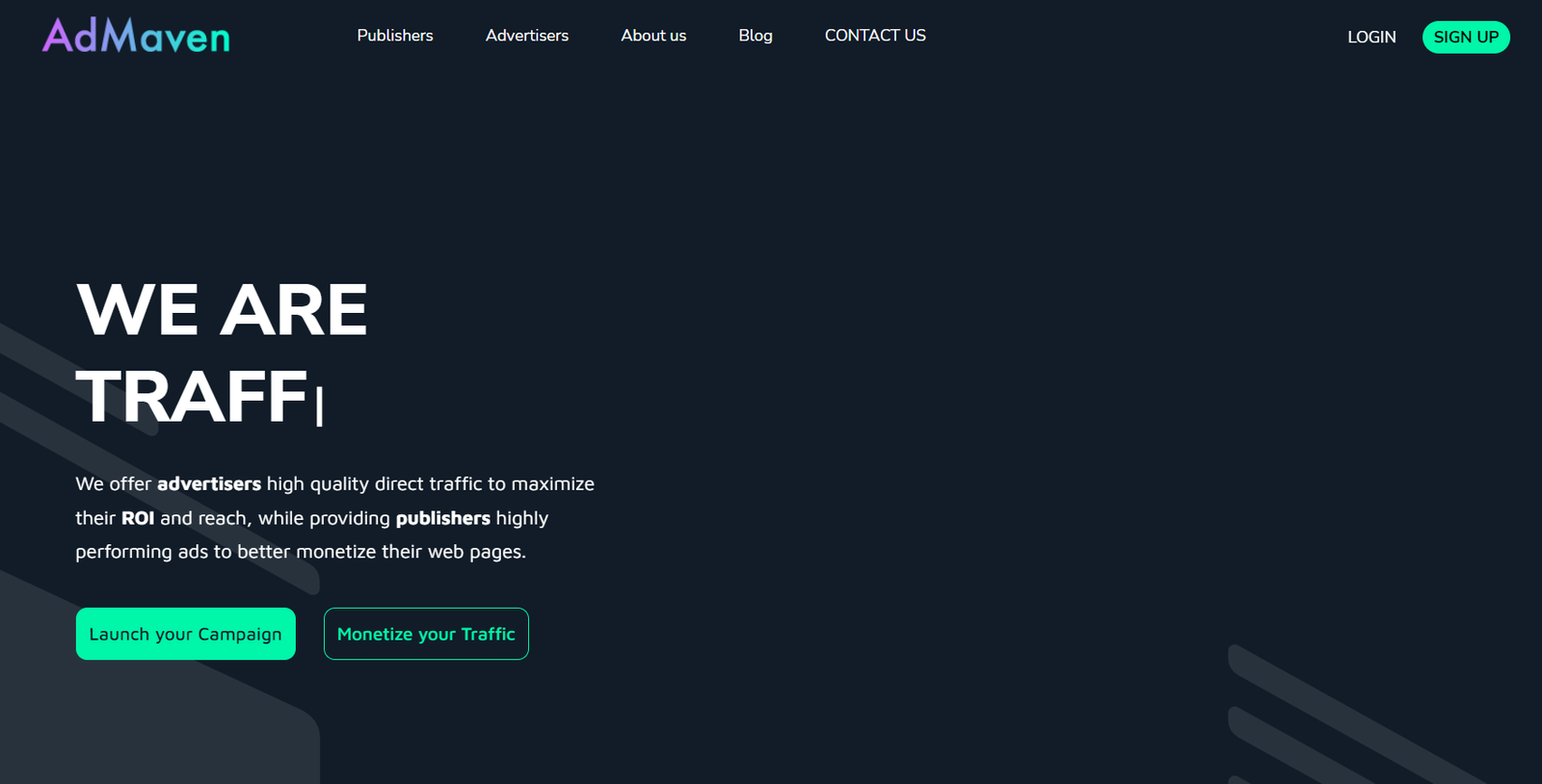
AdMaven is a broad digital advertising and monetization platform supporting multiple advertising formats. It is particularly known for formats such as pop, push, interstitial, and display advertising. Publishers looking for flexible monetization options may find its range of formats useful.
Key Features
- Pop advertising
- Push advertising
- Interstitial formats
- Display advertising
- Campaign management
- Performance reporting
Pros
- Multiple monetization formats
- Suitable for international traffic
- Flexible advertising options
- Useful for publishers seeking alternatives to traditional banners
Cons
- Some formats can be intrusive
- Results vary according to traffic quality
- Not every format suits every website
Expert Review
AdMaven is a good option for publishers looking for flexible monetization options. It works well for websites that want to test different ad formats and placements to improve revenue. Publishers should carefully manage pop and interstitial ads to maintain a positive user experience. Overall, it is suitable for publishers who want to diversify their advertising income.
3. Bitmedia:
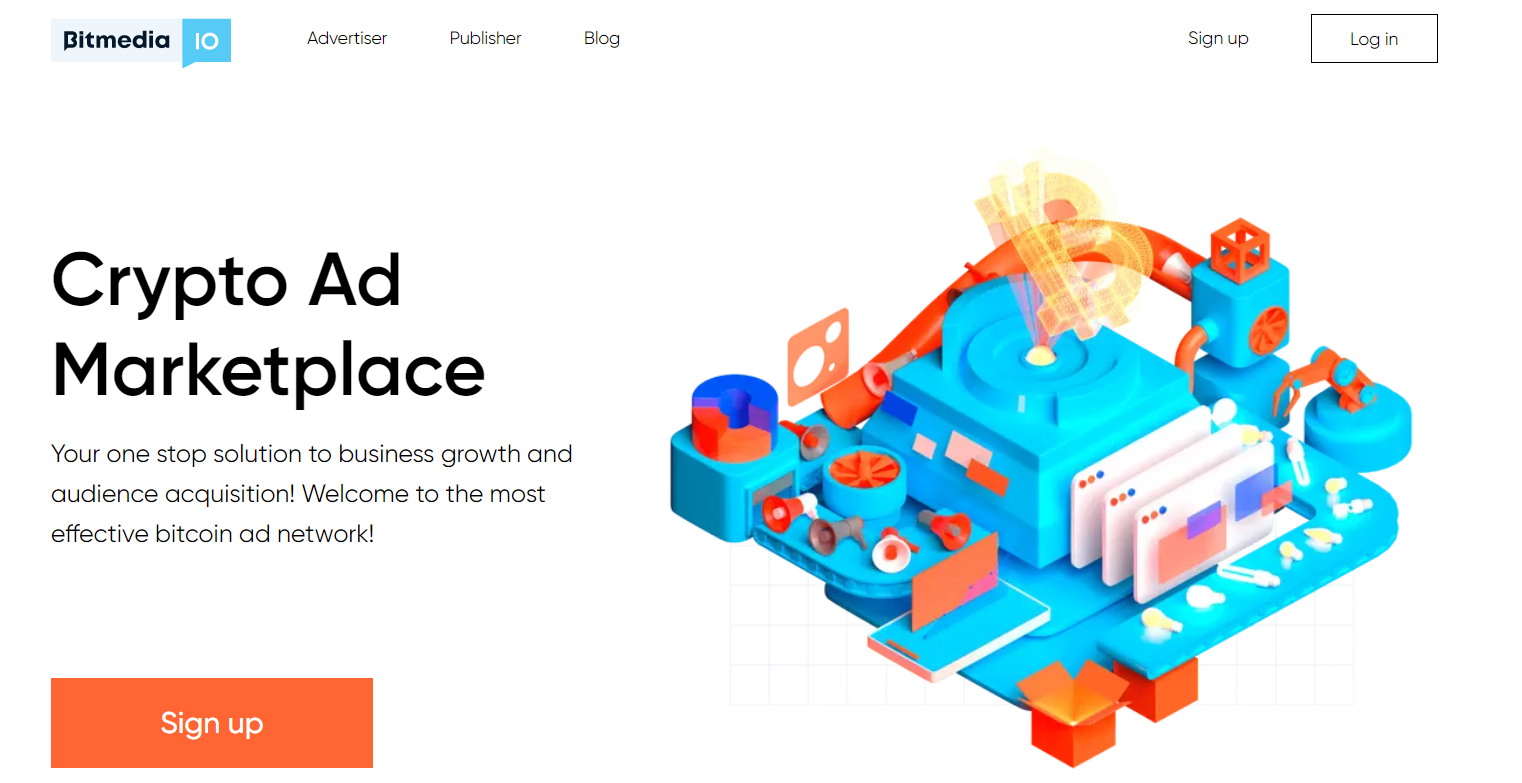
Bitmedia is an advertising platform particularly associated with cryptocurrency and blockchain-related advertising. Its niche specialization can make it relevant to publishers whose audiences are interested in cryptocurrency, blockchain, Web3, and related technologies.
Company Overview
- Founded: 2014
- Country: United Kingdom
- Best For: Crypto, blockchain, Web3, and finance publishers
- Ad Formats: Display, native, rich media, and HTML5 ads
- Revenue Models: CPM, CPC
- Key Strength: Crypto-focused advertiser demand
- Traffic: Crypto and finance-focused audiences
- Approval: Publisher and traffic review
- Focus: Specialized crypto and Web3 monetization
Key Features
- Crypto-focused advertising
- Banner campaigns
- Audience targeting
- Campaign reporting
- Niche advertiser access
Pros
- Strong niche specialization
- Relevant advertiser ecosystem
- Useful for blockchain audiences
- Targeting options
Cons
- Less relevant for unrelated niches
- Crypto advertising demand can fluctuate
- Results vary by audience geography
Expert Review
Bitmedia is a strong option for publishers operating in cryptocurrency and blockchain-related niches. Its specialized advertiser ecosystem can provide more relevant demand than general-purpose advertising platforms. However, its suitability depends heavily on the website’s topic, audience, and traffic quality. Publishers should compare available formats, geographic demand, and campaign availability before choosing the platform.
4. UngAds:

UngAds is an advertising platform offering multiple campaign and monetization options for publishers and advertisers. Its self-service approach can be useful for users who want more control over campaign configuration and optimization.
Key Features
- Self-service campaign management
- GEO targeting
- Traffic optimization
- Publisher monetization
- Campaign controls
Pros
- Flexible campaign management
- International reach
- Self-service environment
- Multiple advertising opportunities
Cons
- Performance varies by GEO
- Requires optimization
- Not every format suits every publisher
Expert Review
UngAds is a good option for publishers looking for flexible ways to monetize global traffic. It supports multiple ad formats and pricing models, giving publishers more options to test different revenue strategies. Its broad geographic coverage makes it useful for websites with international audiences. Overall, it is worth considering for publishers who want to diversify their advertising revenue.
5. Propellerads:
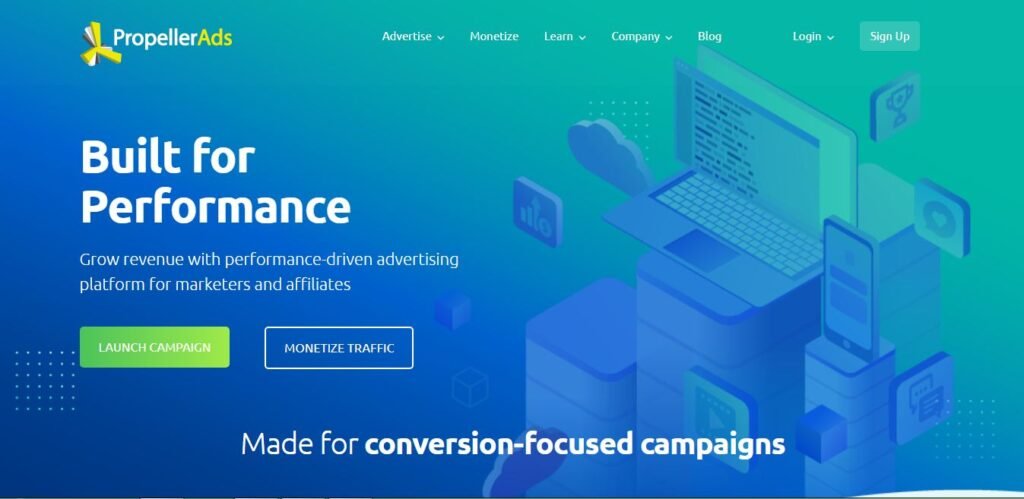
PropellerAds is a well-known digital advertising platform offering publishers multiple ways to monetize websites and other digital traffic. Its range of formats makes it particularly useful for publishers who want alternatives to standard display banners.
Company Overview
PropellerAds is a global advertising network offering multiple monetization formats for publishers.
- Founded: 2011
- Country: Cyprus
- Best For: Global publishers and international websites
- Ad Formats: Push, pop, native, display, and other digital formats
- Revenue Models: CPM, CPC, CPA
- Key Strength: Global reach and flexible ad formats
- Traffic: International and global traffic
- Optimization: Campaign and inventory management tools
- Approval: Publisher registration and review
Key Features
- Push advertising
- Pop formats
- Native advertising
- Mobile monetization
- Campaign optimization
- Reporting
Pros
- Multiple ad formats
- International traffic support
- Useful publisher tools
- Suitable for different traffic types
Cons
- Some formats may affect UX
- Performance depends on GEO
- Requires testing and optimization
Expert Review
PropellerAds is a good option for publishers with international audiences who want flexible monetization options. Its range of formats allows publishers to test different approaches based on their website and audience. However, using too many aggressive formats can affect visitor experience and engagement. Overall, publishers should focus on selective ad placement and a balance between revenue and user experience.
7. Push.House:

Push.House specializes heavily in push and related advertising formats. It can be useful for publishers and advertisers interested in push-based traffic monetization and campaign management.
Key Features
- Push advertising
- In-page push
- Campaign optimization
- Bidding controls
- Reporting tools
Pros
- Strong push specialization
- Multiple campaign tools
- International reach
- Useful for performance campaigns
Cons
- Push advertising is not suitable for every audience
- Requires careful user-experience management
- Performance can vary by GEO
Expert Review
Push.House is a good option for publishers looking to monetize push-based traffic alongside traditional advertising. Its Web Push, In-Page Push, and OnClick formats give publishers several ways to monetize eligible traffic. Publishers should pay particular attention to user consent, browser policies, and responsible notification practices when using push formats. Overall, it can be useful for publishers seeking specialized push monetization with global reach.
8. Partners.House:

Partners.House focuses on advertising and monetization solutions that include push-related formats. It can be considered by publishers seeking additional ways to monetize traffic beyond traditional display advertising.
Key Features
- Push notifications
- Traffic monetization
- Campaign management
- Fraud-control technologies
- Reporting
Pros
- Push-focused monetization
- International opportunities
- Optimization tools
- Useful for performance campaigns
Cons
- Format suitability varies
- Push requires careful implementation
- Results depend on traffic quality
Expert Review
Partners.House is a good option for publishers looking to add push-based monetization to their existing revenue streams. Its multiple formats and global GEO coverage give publishers flexibility when testing different monetization strategies. However, traffic quality, audience engagement, and format selection can significantly affect actual earnings. Overall, it is worth considering for publishers who want to diversify traffic monetization beyond traditional display ads.
9. HillTopAds:
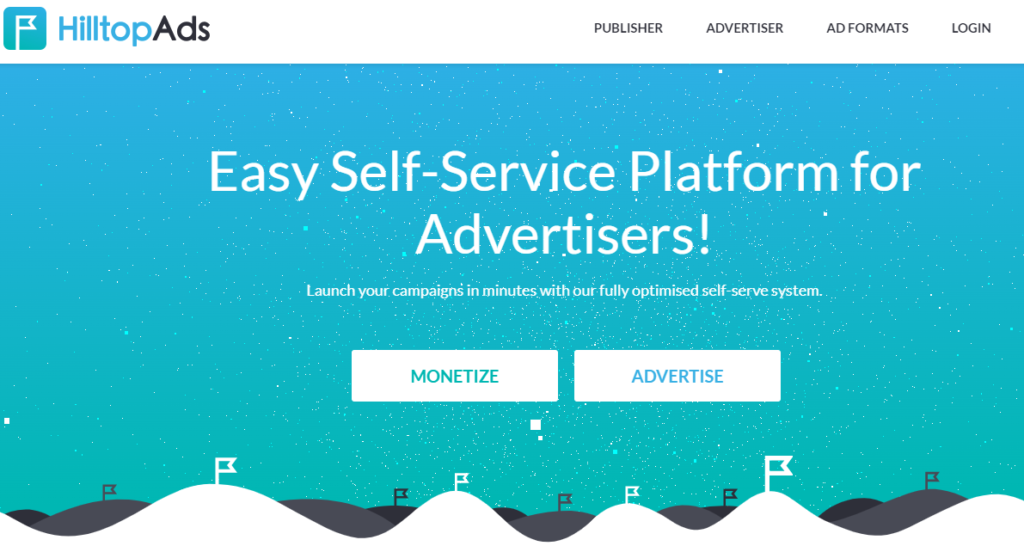
HillTopAds is a digital advertising network offering several monetization formats for publishers. It is known for serving international traffic and supporting formats beyond conventional display advertising.
Key Features
- Display advertising
- Video advertising
- Native formats
- Push-related advertising
- Performance tracking
Pros
- Multiple formats
- International reach
- Suitable for different traffic sources
- Publisher monetization tools
Cons
- Results differ by traffic source
- Some formats require careful placement
- High revenue does not always equal better UX
Expert Review
HilltopAds is a good option for publishers looking for flexible CPM monetization across different traffic sources. It offers several ad formats, allowing publishers to choose placements that fit their website and audience. However, aggressive formats such as popunders should be tested carefully to avoid negatively affecting user experience. Overall, it is a strong choice for publishers who want multiple monetization options and frequent payouts.
11. Conversant Media:
Conversant Media has been associated with digital advertising and publisher monetization for many years. Its historical presence makes it an important name to understand when researching established advertising platforms.
Pros
- Long industry history
- Established advertising background
- Broad digital advertising experience
Cons
- Current availability should be verified
- Historical information can become outdated
- Not necessarily suitable for every publisher
Expert Review
Conversant was historically a significant option for publishers seeking display and performance-based monetization. Its broad advertising ecosystem gave publishers access to established advertiser demand and multiple digital formats. However, because the business is now part of Epsilon, publishers should not assume that its historical network operates the same way today. It is best treated as a historical CPM network when comparing older publisher monetization options.
12. Mobile10 :
Mobile10 focuses on mobile traffic monetization and affiliate-style mobile advertising. It can be useful for publishers whose audiences primarily access websites or digital services through mobile devices.
Key Features
- Mobile campaigns
- Offer matching
- Mobile traffic monetization
- Campaign tracking
- Affiliate promotion
Pros
- Mobile-focused
- Useful for mobile traffic
- Campaign matching
- Simple monetization approach
Cons
- More specialized than general CPM networks
- Performance depends on available offers
- Not designed primarily as a traditional CPM network
Expert Review
Mobile10 is a good option for publishers with mobile and international traffic who want automated offer matching. Its Smartlink technology can automatically select relevant offers, reducing the need for manual campaign selection. Publishers can also test mobile banners and popup formats based on their audience and website structure. Overall, it is a useful choice for publishers seeking mobile-focused monetization and flexible payment options.
12. Media.net:
Media.net is one of the most recognizable contextual advertising platforms and is particularly relevant to publishers looking for advertising that can be aligned with page content.
Key Features
- Contextual advertising
- Display advertising
- Native formats
- Reporting
- Publisher optimization
Pros
- Strong contextual advertising focus
- Suitable for content websites
- Established publisher platform
- Relevant ad matching
Cons
- Eligibility requirements may apply
- Traffic geography can influence results
- Performance differs by niche
Why Choose Media.net?
Media.net is particularly attractive for publishers who prioritize contextual relevance. If your website publishes detailed articles and your audience comes primarily from valuable advertising markets, it may be worth testing alongside other monetization options.
Expert Review
Media.net is a strong choice for content-focused publishers who want ads that remain relevant to their articles and website topics. Its contextual technology can work particularly well for blogs, guides, reviews, and information-rich websites. Publishers can also access multiple demand sources beyond traditional contextual ads. Overall, it is a good option for publishers seeking relevant advertising and diversified monetization.
13. Google AdSense:

Google AdSense remains one of the most widely recognized publisher advertising platforms. It provides website owners with access to Google’s advertising ecosystem and supports multiple ad formats.
Key Features
- Display ads
- Responsive advertising
- Automated ad solutions
- Reporting
- Google advertising ecosystem
Pros
- Well-established platform
- Broad advertiser demand
- Multiple ad formats
- Strong reporting ecosystem
- Accessible to many publishers
Cons
- Strict policy requirements
- Account compliance is important
- Revenue varies significantly by niche and GEO
Expert Review
Google AdSense is a strong choice for publishers looking for a simple and reliable way to monetize website traffic. It is particularly suitable for bloggers, niche websites, and content publishers with original, policy-compliant content. Its large advertiser ecosystem makes it a practical starting point for publishers at different stages. Overall, AdSense remains a solid option for straightforward and scalable website monetization.
14. BuySellAds:

BuySellAds is a publisher-focused advertising marketplace that helps connect advertisers with digital properties and audiences. It is particularly relevant to publishers interested in direct advertising and sponsorship-style opportunities.
Key Features
- Direct advertising
- Display campaigns
- Native advertising
- Sponsored content opportunities
- Publisher marketplace
Pros
- Direct advertiser relationships
- Useful for niche websites
- Multiple advertising options
- Greater inventory control
Cons
- Not ideal for every niche
- Advertiser demand varies
- Results depend on audience quality
Expert Review
BuySellAds is a strong option for publishers with niche, engaged audiences who want more control over their advertising inventory. Its direct brand partnerships can be particularly valuable for technology, business, design, and developer-focused websites. Publishers can also use display, native, sponsored, and other formats to diversify revenue. Overall, it is a good choice for publishers seeking premium sponsorships and greater control than traditional automated networks.
15. Adpushup:
Adpushup focuses heavily on ad optimization and publisher revenue improvement rather than simply providing another advertising tag. Its technology can help publishers test layouts, optimize inventory, and work with multiple demand sources.
Key Features
- Header bidding
- Ad layout optimization
- Ad mediation
- Revenue optimization
- Ad operations support
Pros
- Strong optimization focus
- Multiple demand sources
- Useful for established publishers
- Can improve monetization efficiency
Cons
- Better suited to established websites
- Requires testing
- Optimization technology can add complexity
Expert Review
AdPushup is a strong option for publishers with meaningful traffic who want to optimize existing ad revenue. Its header bidding, ad mediation, and layout testing tools can help publishers improve competition and yield across multiple demand sources. It is particularly useful for websites that have already moved beyond basic ad monetization and want more advanced optimization. Overall, it is a good choice for publishers seeking better yield, testing, and control over their ad stack.
16. Adsterra:

Adsterra is a broad advertising network supporting multiple formats and international traffic. It can be useful for publishers seeking alternatives to traditional display advertising.
Key Features
- Display advertising
- Pop formats
- Social bar-style formats
- Mobile monetization
- Anti-fraud technologies
- Reporting
Pros
- Broad international reach
- Multiple formats
- Flexible monetization
- Useful publisher tools
Cons
- Some formats can be intrusive
- Results vary by GEO
- Requires optimization
Expert Review
Adsterra is a good option for publishers looking for flexible ways to monetize global traffic. Its broad selection of ad formats allows publishers to test different monetization strategies based on their audience and website structure. However, aggressive formats should be used carefully to protect user experience and engagement. Overall, it is a useful choice for publishers seeking diverse advertising options and international reach.
17. Smarty Ads:

Smarty Ads is a programmatic advertising ecosystem providing technologies for buying and selling digital advertising inventory. It is more relevant to publishers and advertisers looking for programmatic solutions than to beginners seeking a simple advertising widget.
Key Features
- Programmatic advertising
- Real-time bidding
- Supply-side technology
- Demand-side solutions
- Advertising analytics
Pros
- Programmatic capabilities
- Multiple demand sources
- Useful for larger publishers
- Advanced advertising technology
Cons
- More technical
- Better suited to established publishers
- Requires optimization knowledge
Expert Review
SmartyAds is a strong option for publishers looking to improve programmatic ad revenue through multiple demand sources. Its SSP and header bidding solutions can increase competition for available inventory and help improve fill rates and yield. It is particularly suitable for publishers with meaningful traffic and existing ad inventory. Overall, it is a good choice for publishers seeking advanced monetization and greater control over programmatic demand.
18. Adbuff:
Adbuff is an advertising network associated with CPM and CPC monetization. It can be considered by publishers looking for alternatives to major advertising platforms.
Key Features
- CPM advertising
- CPC advertising
- Real-time bidding
- Publisher monetization
- Advertising optimization
Pros
- Alternative to major networks
- Supports multiple pricing models
- Useful for testing monetization options
Cons
- Approval requirements may apply
- Performance varies
- Current availability should be verified
Expert Review
Adbuff was particularly suited to publishers with English-language websites and high-value traffic from countries such as the US, Canada, UK, and Australia. Its CPM and CPC models allowed publishers to monetize both impressions and clicks, while eCPM varied based on geography, website category, CTR, and ad visibility. However, because the available publisher information is largely historical, publishers should verify whether the network is currently operating and accepting new publishers before considering it for a 2027 monetization strategy.
19. Infolinks:

Infolinks is particularly known for contextual and text-based advertising solutions. It can be useful for publishers looking for alternatives to traditional banner advertising.
Key Features
- Contextual advertising
- In-content formats
- Text-based advertising
- Display options
- Publisher monetization
Pros
- Contextual focus
- Useful for smaller publishers
- Multiple ad formats
- Can complement other networks
Cons
- Some formats may affect readability
- Revenue depends on traffic quality
- Performance varies by niche
Expert Review
Infolinks is a good option for publishers who want to monetize content without relying heavily on traditional banner placements. Its contextual formats work particularly well for blogs and text-rich websites where ad relevance is important. Publishers can test different formats to find a balance between revenue and user experience. Overall, it is a useful choice for publishers seeking additional contextual monetization alongside conventional display ads.
20. Adcash
Adcash provides advertising and monetization solutions for publishers and advertisers across multiple formats. Its platform includes technologies designed around targeting, optimization, reporting, and traffic quality.
Company Overview
Adcash is a global advertising platform that helps publishers monetize website traffic through multiple ad formats.
- Founded: 2007
- Country: Estonia
- Best For: Global publishers and websites with international traffic
- Ad Formats: Display, pop-under, video, interstitial, and in-page push
- Revenue Model: CPM and other performance-based models
- Key Strength: Global reach and high fill rates
- Traffic: 195+ countries
- Optimization: In-house optimization and real-time statistics
- Approval: Website review required before monetization
Key Features
- Display advertising
- Native advertising
- Campaign optimization
- Traffic quality controls
- Real-time reporting
Pros
- International reach
- Multiple formats
- Optimization tools
- Traffic quality technologies
Cons
- Results vary by traffic source
- Some formats require careful testing
- Publisher approval may apply
Expert Review
Adcash is a good option for publishers with international traffic who want to monetize their inventory through multiple formats. Its broad geographic coverage and high fill rates can help publishers monetize traffic from different regions. However, publishers should monitor traffic quality, ad performance, and user experience when testing different formats. Overall, it is a flexible choice for publishers seeking global reach and diversified monetization options.
CPM Ad Network Comparison
For mobile users, a very wide comparison table can be difficult to read. The following compact comparison focuses on the most important decision factors and keeps the information easier to scan on smaller screens.
| Network | Main Strength | Best For |
|---|---|---|
| MyLead | Affiliate campaigns | Affiliate publishers |
| AdMaven | Multiple formats | High-volume publishers |
| Bitmedia | Crypto advertising | Blockchain websites |
| UngAds | Self-service advertising | International traffic |
| PropellerAds | Broad monetization | Global publishers |
| Push.House | Push advertising | Push-focused traffic |
| Partners.House | Push monetization | International publishers |
| HillTopAds | Multi-format ads | Global publishers |
| Exponential | Premium inventory | Large publishers |
| Conversant Media | Digital advertising | Established publishers |
| Mobile10 | Mobile campaigns | Mobile publishers |
| Media.net | Contextual advertising | Content websites |
| Google AdSense | Broad advertiser demand | General publishers |
| BuySellAds | Direct advertising | Niche publishers |
| Adpushup | Ad optimization | Established publishers |
| Adsterra | Global monetization | International publishers |
| Smarty Ads | Programmatic technology | Advanced publishers |
| Adbuff | CPM/CPC | Alternative publishers |
| Infolinks | Contextual ads | Bloggers |
| Adcash | Global advertising | International publishers |
How to Choose the Best CPM Ad Network
Step 1: Analyze Your Traffic
Start by identifying where your visitors come from, how many monthly sessions you receive, and which devices they use. Traffic from different countries can generate significantly different advertiser demand and effective CPM values. Mobile traffic may also perform differently from desktop traffic because visitors interact with pages in different ways.
You should also analyze organic, direct, social, referral, and paid traffic separately. A network that performs well with search traffic may not produce the same results with social traffic. Understanding these differences gives you a clearer picture of which network is actually generating valuable advertising revenue.
Step 2: Identify Your Website Niche
Your website topic can strongly influence advertising demand. Finance, technology, software, business, education, legal, and other commercial categories may attract different advertiser budgets from entertainment or general-interest websites. The value of a visitor often depends on the products and services relevant to that audience.
Before joining a network, consider whether its advertisers match your subject matter. A niche-focused platform may outperform a general network when its advertisers have strong interest in your audience. Testing different networks can help determine whether specialized demand produces better RPM for your content.
Step 3: Choose Appropriate Ad Formats
Do not automatically activate every available advertising format. Banner, native, contextual, video, push, pop, and interstitial advertising can produce different revenue levels and very different user experiences. A format that works well on one website can reduce engagement on another.
Start with formats that naturally fit your page design and audience behavior. Monitor viewability, RPM, page speed, bounce rate, and engagement after implementation. If an advertising format generates additional revenue but causes visitors to leave quickly, the long-term result may be negative.
Step 4: Compare Approval Requirements
Advertising networks have different eligibility requirements. Some accept smaller publishers, while premium or programmatic platforms may focus on established websites with significant traffic and high-quality content. Always review the current publisher requirements before applying.
Check factors such as minimum traffic, content policies, supported countries, prohibited niches, traffic sources, website ownership verification, and approval procedures. Preparing your website before applying can improve your chances of approval and prevent unnecessary delays.
Step 5: Check Payment Conditions
Before joining an advertising network, review the minimum payout, payment methods, payment schedule, supported currencies, and possible transaction fees. These conditions can significantly affect the practical value of an advertising platform, especially for smaller publishers.
A network may offer an attractive theoretical CPM but still be inconvenient if the payout threshold is difficult to reach. Publishers should also verify payment information through the network’s current official documentation because payment policies can change over time.
Step 6: Test Performance
Do not assume that one network will always provide the highest revenue. Run controlled tests and compare CPM, RPM, fill rate, viewability, CTR, revenue per session, bounce rate, page speed, and total revenue.
Testing should be based on enough data to produce a meaningful comparison. Seasonal advertiser demand can also influence results, so publishers should avoid making major decisions from a very short testing period. The goal is to identify sustainable revenue rather than temporary performance spikes.
Common CPM Advertising Mistakes
1. Choosing a Network Only Because of a High CPM
A high advertised CPM does not guarantee high overall earnings. Fill rate, traffic quality, viewability, revenue share, ad quality, and the percentage of inventory actually monetized can all influence your final revenue.
2. Using Too Many Ads
More advertising does not automatically mean more money. Excessive placements can slow down pages, annoy visitors, reduce engagement, and make content difficult to consume.
3. Ignoring Traffic Geography
Advertiser demand differs significantly between countries and regions. A website with a large amount of low-value traffic may generate less revenue than a smaller website with highly valuable commercial visitors.
4. Ignoring User Experience
Advertising should not make your content difficult to access or navigate. Publishers should prioritize readable layouts, fast loading times, mobile usability, and clear navigation.
5. Buying Low-Quality Traffic
Artificial, incentivized, or low-quality traffic can create serious monetization problems. Publishers should focus on legitimate visitors acquired through sustainable and compliant acquisition channels.
6. Failing to Test Placements
The first advertising placement you choose is not necessarily the best one. Test position, format, density, device-specific layouts, and viewability to identify the strongest configuration.
Frequently Asked Questions (FAQs)
What is a CPM ad network?
A CPM ad network connects advertisers with publishers and helps monetize advertising impressions. CPM generally refers to the cost associated with one thousand impressions, although publisher revenue depends on the network’s pricing model, eligible impressions, advertiser demand, and revenue-sharing arrangement.
Which CPM ad network is best for publishers?
There is no universal best CPM network for every publisher. Google AdSense and Media.net may suit content publishers, while AdMaven, PropellerAds, Adsterra, HillTopAds, and Adcash may be useful for publishers seeking broader advertising formats.
Can small websites use CPM ad networks?
Yes, some advertising networks accept smaller publishers, although earnings may be limited when impression volume is low. Smaller websites should focus on content quality, traffic growth, niche relevance, audience geography, and user experience before adding excessive advertising.
Does CPM mean publishers get paid for every impression?
Not necessarily. Publisher earnings depend on eligible impressions, advertiser demand, fill rate, auction results, viewability, traffic quality, and the network’s revenue-sharing arrangement. Some impressions may not generate the same value as others.
How can I increase my CPM?
Improve traffic quality, target valuable audiences, publish high-quality content, optimize ad placement, improve viewability, increase page performance, and test multiple demand sources. Comparing RPM is also important because CPM alone does not show total publisher revenue.
Is Google AdSense a CPM network?
Google AdSense supports multiple advertising and bidding models, so it should not be treated as a CPM-only platform. Publisher earnings can come from different types of advertising interactions and impression-based demand.
Is Media.net a contextual ad network?
Yes, Media.net is strongly associated with contextual advertising, where advertisements can be matched with the content and subject matter of a webpage. This makes it relevant to many informational and content-focused websites.
What is contextual advertising?
Contextual advertising matches advertisements with the subject or content of the page where the advertisement appears. It can provide relevance without depending entirely on behavioral profiling, although publishers should still review the provider’s privacy and data practices.
Are CPM networks good for blogs?
They can be useful for blogs that generate sufficient page views and have audiences attractive to advertisers. Content quality, niche, geography, engagement, device usage, and advertising placement all influence results.
Which CPM network pays the most?
There is no fixed highest-paying network for every publisher. Effective CPM and RPM vary according to traffic source, niche, GEO, device, seasonality, advertiser demand, and inventory quality.
Final Verdict
The best CPM ad network depends on your traffic, niche, audience, geography, and monetization goals. Instead of focusing only on advertised CPM, compare RPM, fill rate, ad quality, payment terms, available formats, privacy practices, and user experience.
For content websites, Google AdSense, Media.net, and Infolinks are worth considering for contextual advertising. Publishers with international or high-volume traffic can explore AdMaven, PropellerAds, Adsterra, HillTopAds, and Adcash for broader monetization options.
Advanced publishers may consider Adpushup, Smarty Ads, BuySellAds, and Exponential, while niche publishers can explore Bitmedia. MyLead may suit affiliate-focused publishers, and Mobile10 can be useful for mobile-focused traffic.
The best approach is to test different networks, monitor real performance, maintain quality traffic, and optimize ad placements without harming the user experience.
Key Takeaways
- CPM refers to the cost associated with 1,000 impressions.
- CPM alone does not determine overall publisher revenue.
- RPM, fill rate, viewability, and traffic quality are also important.
- Website niche and audience geography can affect CPM.
- Contextual networks can work well for content-focused websites.
- Adpushup and Smarty Ads provide advanced optimization options.
- Bitmedia can suit cryptocurrency and blockchain publishers.
- MyLead focuses more on affiliate and performance marketing.
- Mobile10 is designed around mobile-focused monetization.
Conclusion
Choosing a CPM ad network in 2027 requires more than comparing payout claims. Publishers should consider traffic quality, niche, geography, ad formats, payment terms, optimization features, privacy practices, and user experience before making a decision.
The 20 networks covered in this guide serve different publisher needs, from contextual and programmatic advertising to mobile, push, affiliate, and direct advertising. The right choice depends on your website and audience, so testing and comparing actual RPM and revenue performance is essential.
By combining a suitable ad network with quality content, legitimate traffic, fast performance, and effective ad placement, publishers can build a more reliable and sustainable website monetization strategy.
