Breaking into the white label AI space in 2026 can feel like stepping into a crowded battlefield with no clear direction. Every platform promises “full branding,” “plug-and-play AI,” and “instant scalability,” yet many fall short once you look closer. You sign up expecting a ready-to-sell solution, only to discover limited customization, hidden costs, weak AI performance, or restrictions that keep the platform from truly feeling like your product.
Even worse, choosing the wrong white label AI tool can damage your brand before it even gains traction. Poor reliability, clunky user experiences, or lack of control don’t just slow growth — they erode client trust and turn what should be a revenue opportunity into a liability. For agencies, SaaS founders, and resellers, these mistakes can be expensive and hard to recover from.
That’s why selecting the right white label AI platform is no longer a technical decision; it’s a business-critical one. You need tools that deliver consistent AI performance, offer deep branding control, scale effortlessly with your clients, and support your growth instead of limiting it.
In this guide to the Best White Label AI Tools in 2026, we cut through the marketing noise to help you avoid costly missteps, spot platforms built for real businesses, and choose solutions you can confidently put your name on. Whether you’re launching a new AI-powered service or expanding an existing SaaS offering, this article is designed to help you grow faster, smarter, and with complete brand ownership.
What Are White Label AI Tools?
White label AI tools are AI-powered platforms that allow businesses to rebrand and resell AI services as their own. These tools come fully developed, tested, and scalable, enabling companies to offer advanced AI features without investing in in-house AI engineering.
Most white label AI platforms support custom branding elements such as logos, domains, dashboards, UI colors, and client portals. This allows businesses to present the technology as a proprietary solution while focusing on marketing, sales, and customer relationships rather than product development.
How We Selected the Best White Label AI Tools
To ensure this list delivers real, long-term business value, every white label AI tool was evaluated using a strict and transparent selection framework. Our goal was to identify platforms that go beyond basic rebranding and offer true scalability, performance, and reliability for professional use.
The key evaluation criteria included:
- True White Label Capabilities: We prioritized tools that provide full branding control, including custom logos, domains, interfaces, and client-facing dashboards—allowing businesses to operate under their own brand without third-party visibility.
- AI Functionality & Performance: Each platform had to demonstrate proven AI capabilities, whether in content generation, conversational AI, automation workflows, or voice technologies, with consistent and accurate output quality.
- Scalability & Reliability: Tools were assessed on their ability to support multiple clients, growing workloads, and enterprise-level usage without performance degradation or downtime.
- Ease of Deployment: Preference was given to platforms with quick setup, intuitive onboarding, and minimal technical complexity, making them accessible even for non-developer teams.
- Market Adoption & Credibility: We considered industry reputation, active user bases, ongoing development, and overall trust within the AI and SaaS ecosystem.
Only platforms that combine commercial viability, technical strength, and sustainable white label potential earned a place on this list.
Who Should Use White Label AI Tools?
White label AI tools are designed for professionals and organizations looking to launch, scale, or monetize AI services without building everything from scratch. These solutions are particularly well-suited for:
- Digital Marketing & AI Agencies aiming to offer branded AI services such as chatbots, content generation, or automation under their own identity.
- SaaS Founders who want to accelerate product development by integrating ready-made AI features into their platforms.
- Consultants & Tech Entrepreneurs seeking recurring revenue models through customized AI solutions for clients.
- Enterprises deploying internal AI tools or offering AI-driven services to partners and customers.
- Resellers & Solution Providers expanding their service portfolios without the cost and complexity of in-house AI development.
If your objective is to own the brand, control pricing, and scale AI-powered services efficiently, white label AI tools provide the smartest and most cost-effective path forward.
Top 10 best white label AI Tools in 2026
Here is the list of the top 10 best white label ai tools in 2026:
- Vendasta
- GoHighLevel
- ChatBot.com
- Writesonic
- OpenAI API (White Label Use)
- BotStar
- Tidio
- Bramework AI
- Voiceflow
- Peltarion AI
1. Vendasta
Overview
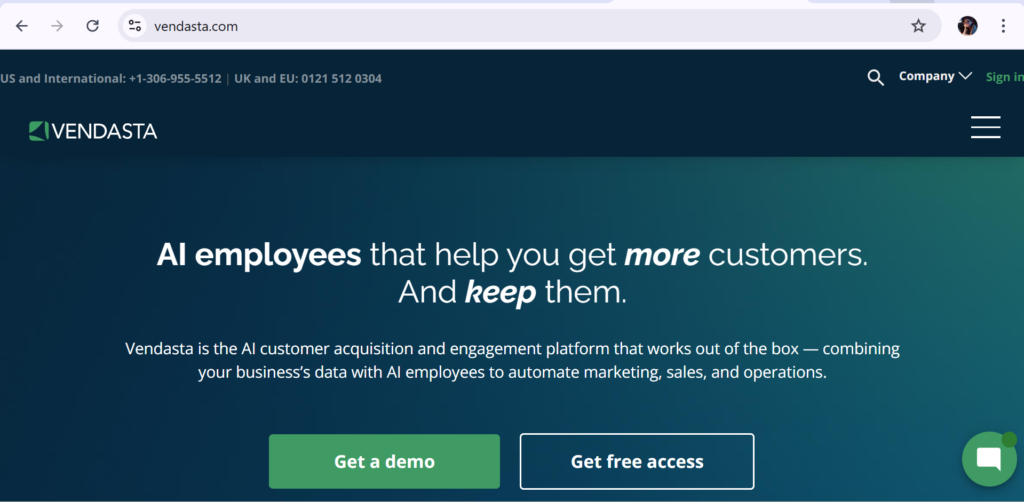
Vendasta is a comprehensive white label AI platform built primarily for digital agencies, SaaS resellers, and service providers that want to deliver AI-powered solutions under their own brand. It combines artificial intelligence, automation, marketing tools, analytics, and client management into a single ecosystem that can be fully customized with your branding, domain, and user experience. Vendasta is widely recognized for enabling agencies to scale AI services without developing proprietary software. What makes Vendasta particularly valuable is its focus on long-term scalability and recurring revenue.
Key Features
Review
Vendasta delivers one of the most complete white label AI ecosystems available today. Its extensive feature set allows agencies to consolidate multiple services into one branded platform, reducing operational complexity. It requires some onboarding time due to its depth, the long-term value and scalability.
Pros
- True end-to-end white labeling
- Designed specifically for agencies and resellers
- Strong automation and analytics capabilities
- Supports recurring revenue business models
- Reliable enterprise infrastructure
Cons
- Higher pricing for small teams
- Steeper learning curve
- Overkill for very simple use cases
Final Verdict
Vendasta is an excellent choice for agencies and SaaS providers seeking a robust, scalable white label AI platform capable of supporting long-term growth and premium client offerings.
2. GoHighLevel
Overview
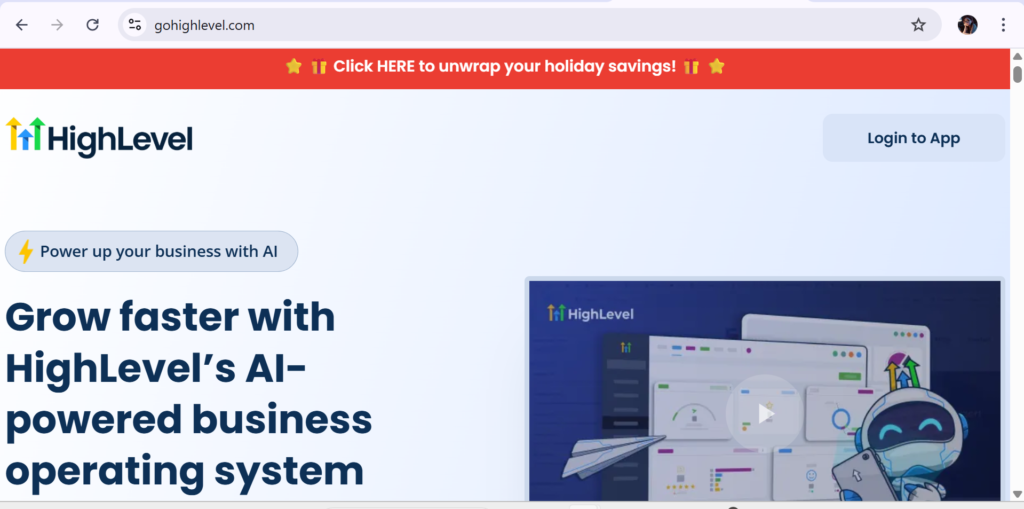
GoHighLevel is a popular white label AI platform tailored for digital marketing agencies that want to offer CRM, automation, and AI-driven communication tools under their own brand. The platform allows complete rebranding, including custom domains and logos, while providing tools for lead management, AI chat, email marketing, SMS automation, and funnel creation. GoHighLevel stands out for its agency-first approach. Instead of charging per client, it enables agencies to onboard unlimited customers, making it highly cost-effective for scaling operations. Its AI capabilities are designed to automate repetitive tasks.
Key Features
Review
GoHighLevel is highly regarded for balancing functionality with affordability. While it may not offer deep AI model customization, it excels at practical automation that agencies can quickly deploy for clients. The platform’s active community and continuous updates further strengthen its long-term value.
Pros
- Excellent white label flexibility
- Designed specifically for agencies
- Strong automation tools
- Cost-effective for scaling clients
- Large user community and support
Cons
- Interface can feel overwhelming
- Limited advanced AI tuning
- Requires setup time for workflows
Final Verdict
GoHighLevel is ideal for marketing agencies looking to deliver white-labeled AI automation and CRM services efficiently and at scale.
3. ChatBot.com
Overview
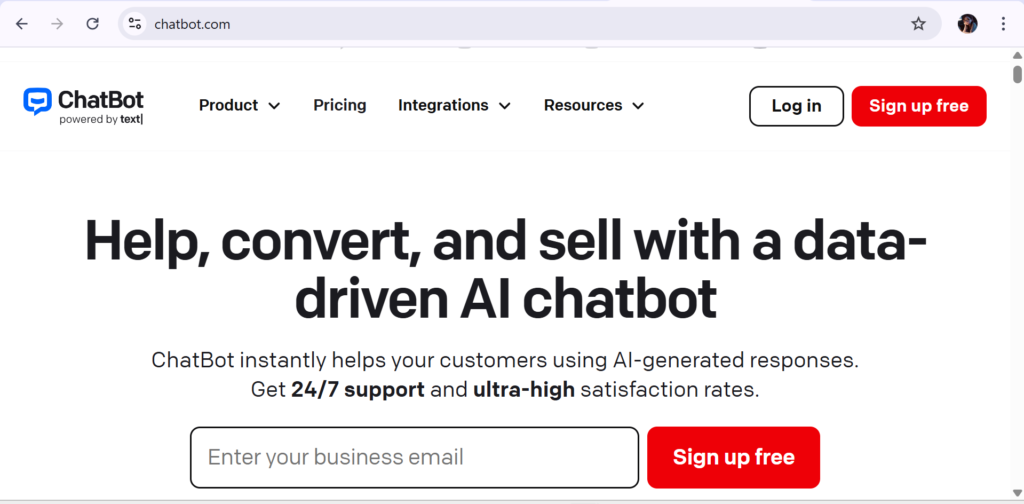
ChatBot.com is a white label conversational AI platform focused on customer support automation, lead generation, and real-time engagement. It enables businesses to create intelligent chatbots using natural language processing and deploy them across websites, applications, and messaging platforms while maintaining full brand control. The platform is particularly useful for companies that want to sell AI chatbot solutions without investing in development resources. With customizable conversation flows, integrations, and analytics,It allows businesses to offer reliable AI-powered chat services.
Key Features
- White-labeled AI chatbot builder
- Natural language processing engine
- Multi-channel deployment options
- CRM and third-party integrations
- Custom analytics and reporting
- Scalable chatbot infrastructure
Review
ChatBot.com delivers consistent performance in conversational AI use cases. Its interface is intuitive and accessible to non-technical users, while still offering enough flexibility for more advanced implementations. Although it focuses primarily on chatbots, it performs exceptionally well within that niche.
Pros
- Easy chatbot creation and deployment
- Reliable conversational AI performance
- Flexible integrations
- Suitable for multiple industries
- Strong uptime and support
Cons
- Limited beyond chatbot functionality
- Advanced customization requires expertise
- Not a full AI suite
Final Verdict
ChatBot.com is a strong white label AI solution for businesses and agencies focused on chatbot-based customer engagement and automation.
4. Writesonic

Overview
Writesonic is an AI-powered content generation platform that offers white label options for agencies, SaaS providers, and content service businesses. It allows companies to deliver AI writing services such as blog posts, marketing copy, ads, and website content under their own branding without building proprietary AI models. The platform supports multiple languages and integrates advanced language models to produce high-quality, readable content quickly. Writesonic is particularly appealing to SEO agencies and marketing teams looking to scale content production while maintaining consistent quality.
Key Features
Review
Writesonic performs exceptionally well for content-focused use cases. Its outputs are generally well-structured and easy to refine, making it suitable for professional publishing. While it does not cover broader AI automation, this platform excels within its specialization.
Pros
- High-quality AI-generated content
- Fast and efficient workflows
- Strong language support
- Easy client onboarding
- Flexible integration options
Cons
- Limited to content creation
- Branding depth varies by plan
- Requires human editing for best results
Final Verdict
Writesonic is ideal for agencies and platforms that want to resell AI-powered content creation services under a white-labeled brand.
5. OpenAI API (White Label Use)
Overview
OpenAI API provides businesses with direct access to advanced AI language models that can be used to build fully customized and white-labeled AI products. Unlike prebuilt platforms, OpenAI serves as the foundational engine, allowing companies to design unique applications, dashboards, and workflows under their own brand. This option is best suited for SaaS companies, developers, and enterprises that want complete control over AI functionality and branding. From chatbots and writing tools to analytics and automation systems, OpenAI API supports a wide range of white label AI use cases.
Key Features
- Access to advanced AI language models
- Full control over branding and user experience
- Scalable API infrastructure
- Supports multiple AI-driven applications
- Strong developer documentation
- Enterprise-ready performance
Review
OpenAI API offers unmatched flexibility and power for white label AI development. While it requires technical expertise to implement, it enables businesses to create truly differentiated AI products rather than reselling prebuilt tools. Its reliability and continuous model improvements make it a future-proof choice.
Pros
- Industry-leading AI capabilities
- Unlimited customization potential
- Highly scalable infrastructure
- Suitable for diverse use cases
- Strong long-term innovation
Cons
- Requires development resources
- No built-in user interface
- Usage-based pricing can scale quickly
Final Verdict
OpenAI API is the best choice for businesses aiming to build fully custom, white-labeled AI solutions with maximum flexibility and control.
6. BotStar
Overview
BotStar is a white label AI chatbot platform designed for businesses and agencies that want to build, deploy, and resell conversational AI solutions under their own branding. The platform focuses on no-code and low-code chatbot development, enabling users to create intelligent bots for websites, messaging apps, and customer support channels without heavy technical expertise. BotStar is particularly suitable for agencies offering chatbot services to multiple clients. Its white labeling options allow full control over branding, while its AI capabilities support automation, and customer engagement.
Key Features
Review
BotStar delivers a balanced combination of usability and functionality. It allows rapid chatbot creation while still offering customization for more advanced workflows. Although it is primarily focused on conversational AI, it performs reliably within that scope and meets the needs of agencies targeting chatbot-based solutions.
Pros
- Easy-to-use chatbot builder
- Strong white label capabilities
- Suitable for agencies and resellers
- Supports multiple deployment channels
- Reliable performance and uptime
Cons
- Limited beyond chatbot use cases
- Advanced logic can require learning
- Not a full AI automation suite
Final Verdict
BotStar is an excellent white label option for agencies and businesses focused on delivering branded AI chatbot solutions at scale.
7. Tidio
Overview
Tidio is an AI-powered customer communication platform that combines live chat, chatbots, and automation with white label potential for agencies and service providers. It is designed to help businesses enhance customer support, improve response times, and automate conversations while maintaining a consistent brand experience. It is widely used by small to mid-sized businesses, but its white label options make it attractive for agencies reselling AI chat and support solutions. Tidio’s AI-driven automation helps reduce support workload while improving customer satisfaction.
Key Features
- AI-powered chatbots and live chat
- White label branding options
- Automated customer support workflows
- Website and messaging app integration
- Real-time analytics and insights
- Scalable infrastructure for growth
Review
Tidio stands out for its simplicity and effectiveness in customer communication. It is easy to deploy and manage, making it ideal for fast-moving teams. While it does not offer deep AI customization, its reliability and user-friendly design make it a strong white label solution for support-focused services.
Pros
- Quick setup and deployment
- Strong customer support automation
- Clean and intuitive interface
- Suitable for small and mid-sized clients
- Reliable performance
Cons
- Limited advanced AI controls
- Focused mainly on chat use cases
- Branding depth varies by plan
Final Verdict
Tidio is a solid white label AI tool for agencies and businesses delivering chatbot-driven customer support and engagement services.
8. Bramework AI
Overview
Bramework AI is a white label AI content generation platform designed primarily for bloggers, SEO agencies, and content-focused businesses. It enables companies to offer AI-powered writing services under their own brand, focusing on long-form blog content optimized for search engines and readability. The platform emphasizes guided content creation, helping users generate structured articles with outlines, headings, and SEO-friendly language. Bramework AI is especially appealing to agencies that want to scale blog production without compromising consistency or quality.
Key Features
- White-labeled AI writing platform
- Long-form blog content generation
- SEO-focused content structure
- Topic and outline assistance
- Team collaboration capabilities
- Fast content creation workflows
Review
Bramework AI performs well in niche content creation scenarios, particularly for blogs and SEO articles. Its guided approach reduces friction for non-expert writers. While it is not a general-purpose AI platform, it excels at delivering focused, publish-ready written content.
Pros
- Strong focus on SEO content
- Easy-to-follow writing workflows
- Consistent output quality
- Suitable for content agencies
- Time-saving automation
Cons
- Limited to content generation
- Less flexibility for non-blog use cases
- Requires editing for best results
Final Verdict
Bramework AI is an excellent white label choice for agencies and platforms specializing in AI-driven blog and SEO content services.
9. Voiceflow
Overview
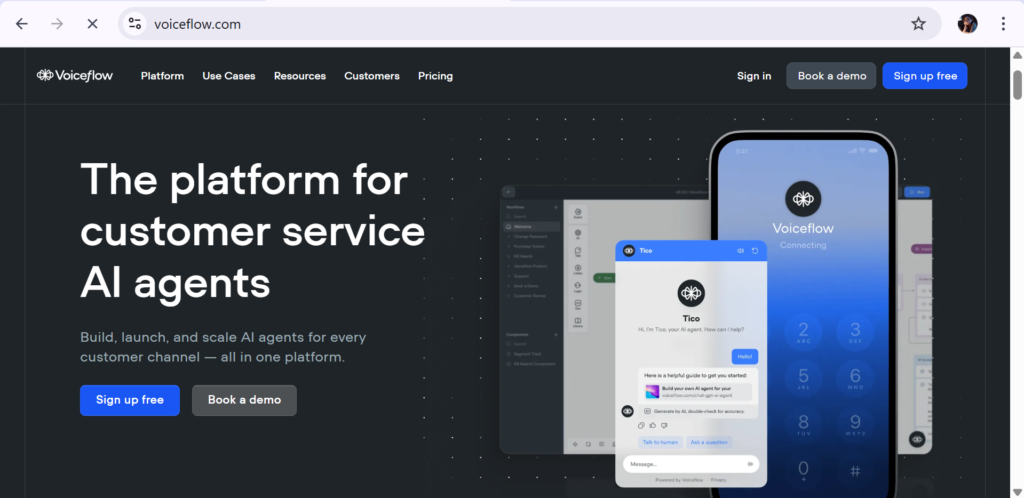
Voiceflow is a white label conversational AI design platform built for creating voice and chat experiences at scale. It allows businesses to design, prototype, and deploy AI assistants for voice platforms, chat interfaces, and customer interaction systems under their own brand. The platform is particularly valuable for teams working on complex conversational flows. With collaborative design tools and API integrations, Voiceflow supports advanced AI experiences while maintaining flexibility for white label deployment.
Key Features
- White-labeled conversational AI design tools
- Voice and chat assistant development
- Visual workflow builder
- API and system integrations
- Team collaboration environment
- Scalable deployment options
Review
Voiceflow is highly regarded for its depth and precision in conversational AI design. It requires some learning but rewards users with powerful customization options. While it is not aimed at beginners, it is an excellent tool for professional-grade AI assistant development.
Pros
- Advanced conversational design capabilities
- Suitable for complex AI projects
- Strong collaboration features
- Flexible deployment options
- High-quality documentation
Cons
- Steeper learning curve
- Requires technical understanding
- Not focused on non-conversational AI
Final Verdict
Voiceflow is ideal for businesses and agencies building sophisticated, white-labeled AI voice and chat assistants.
10. Peltarion AI

Overview
Peltarion AI is a white label AI platform focused on building, training, and deploying custom machine learning models. It is designed for enterprises and advanced teams that want to develop proprietary AI solutions under their own branding without relying on prebuilt automation tools. The platform emphasizes transparency, scalability, and control, making it suitable for organizations that require custom AI workflows. Peltarion AI enables businesses to integrate AI deeply into their products while maintaining full ownership of models and data.
Key Features
Review
Peltarion AI offers strong capabilities for organizations with technical expertise. It is not a plug-and-play solution but provides exceptional flexibility for building tailored AI systems. For enterprises seeking full AI ownership, it is a powerful and reliable platform.
Pros
- Full control over AI models
- Strong enterprise-level scalability
- Suitable for advanced AI applications
- High security standards
- Flexible integration options
Cons
- Requires technical expertise
- Not beginner-friendly
- Longer setup and development time
Final Verdict
Peltarion AI is best suited for enterprises and AI-driven companies seeking fully customized, white-labeled machine learning solutions.
Conclusion
White label AI tools have transformed how businesses launch and scale AI-powered services. Instead of investing months in development and heavy infrastructure, agencies, SaaS founders, and consultants can now deliver fully branded AI solutions quickly and efficiently. The tools featured in this list stand out because they offer true white label capabilities, reliable AI performance, and the flexibility needed to grow alongside your business.
Whether you aim to create a new revenue stream, strengthen client offerings, or build a scalable AI product under your own brand, white label AI platforms provide a future-proof solution. By choosing the right tool, you gain full control over branding, pricing, and customer experience—allowing you to focus on growth while the technology works seamlessly in the background.
Frequently Asked Questipns (FAQs)
What is a white label AI tool?
A white label AI tool is a ready-made AI platform that allows businesses to rebrand and resell AI services as their own. These tools remove the original provider’s branding and give full control over logos, domains, dashboards, and client interactions.
Are white label AI tools suitable for beginners?
Yes, many white label AI platforms are designed with ease of use in mind. They offer simple onboarding, pre-built features, and minimal technical setup, making them suitable even for users without advanced development experience.
Can I use white label AI tools to generate recurring income?
Absolutely. White label AI tools are ideal for subscription-based or service-based business models. You can set your own pricing, offer monthly plans, and create long-term recurring revenue streams.
Do white label AI tools support multiple clients?
Most professional white label AI platforms are built for multi-client management. They allow you to onboard, manage, and scale multiple clients from a single dashboard without performance issues.
How do I choose the best white label AI tool for my business?
The best tool depends on your goals. Focus on branding flexibility, AI performance, scalability, pricing structure, and the type of AI features you need. Choosing a platform that aligns with your long-term growth strategy is key to success.